Hong Tra Ngo Gia Faces Over 20 Billion VND in Tax Arrears as the Bubble Tea Giant Navigates Corporate Restructuring and Relocation

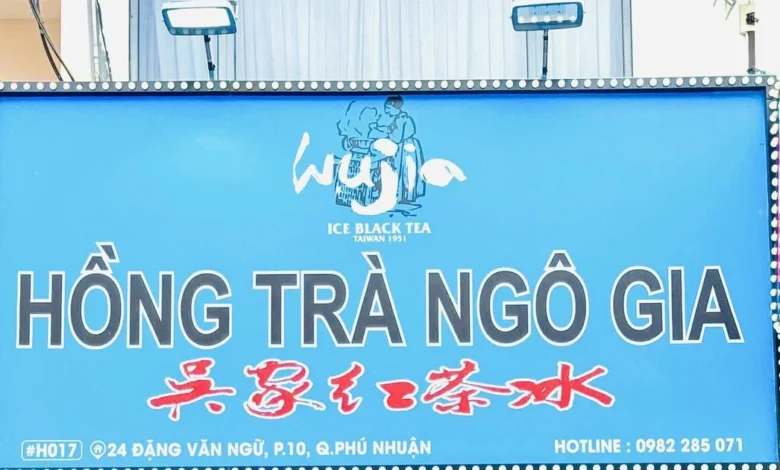
The Ho Chi Minh City Tax Department has recently released its official tax compliance report, placing several prominent business entities under heightened public and regulatory scrutiny. Among the organizations featured in the comprehensive "Tax Base No. 18" list is Ngo Gia Milk Tea Co., Ltd., widely recognized by consumers across Vietnam through its popular brand, Hong Tra Ngo Gia. According to the regulatory findings, the enterprise has accumulated a substantial tax debt totaling approximately 20.18 billion VND (nearly $800,000 USD), positioning it among the top corporate tax debtors within its jurisdictional area in the southern hub of Vietnam.
The inclusion of the bubble tea chain on this high-profile list has triggered widespread discussion across digital platforms and consumer forums. As regulatory bodies tighten financial oversight on commercial and franchising networks, the financial standing of major retail food and beverage players has become a focal point of economic interest. In response to the circulating reports, representatives for Hong Tra Ngo Gia have stepped forward to address the situation, shedding light on the administrative and operational hurdles that contributed to the current tax liabilities.
Corporate Profile and Market Footprint
Established on November 16, 2018, Ngo Gia Milk Tea Co., Ltd. maintains its legal headquarters in Binh Chanh District, Ho Chi Minh City. The company operates under the legal representation of Ms. Vuong Cam Van, with its core business activities revolving around beverage services, food processing, and the large-scale commercial distribution of milk tea products.
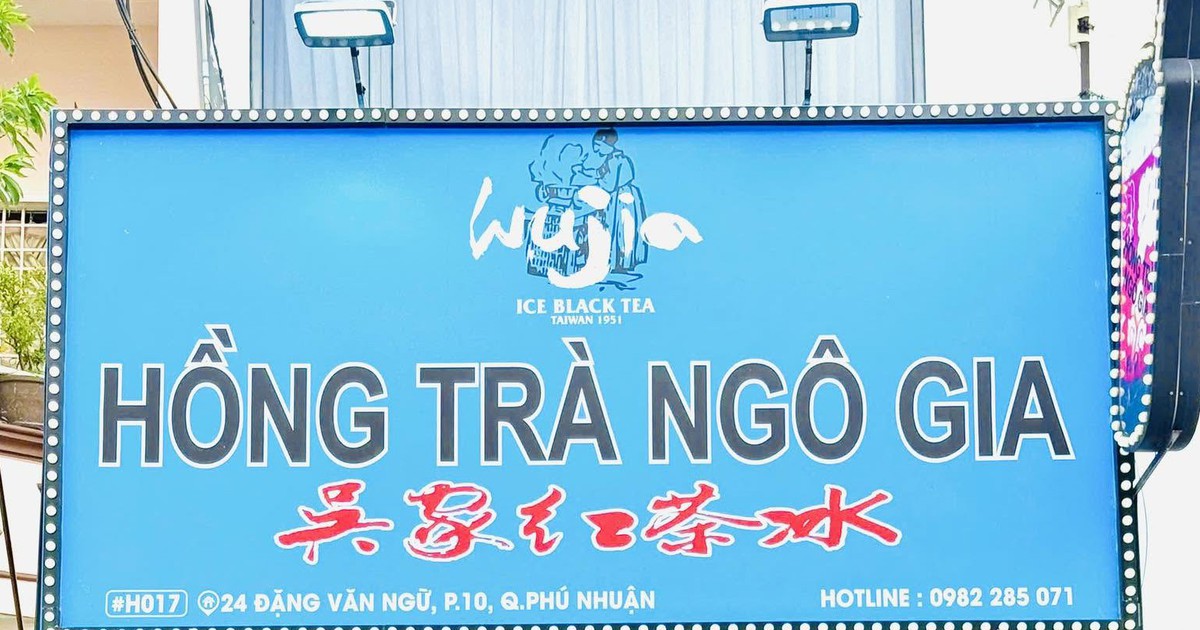
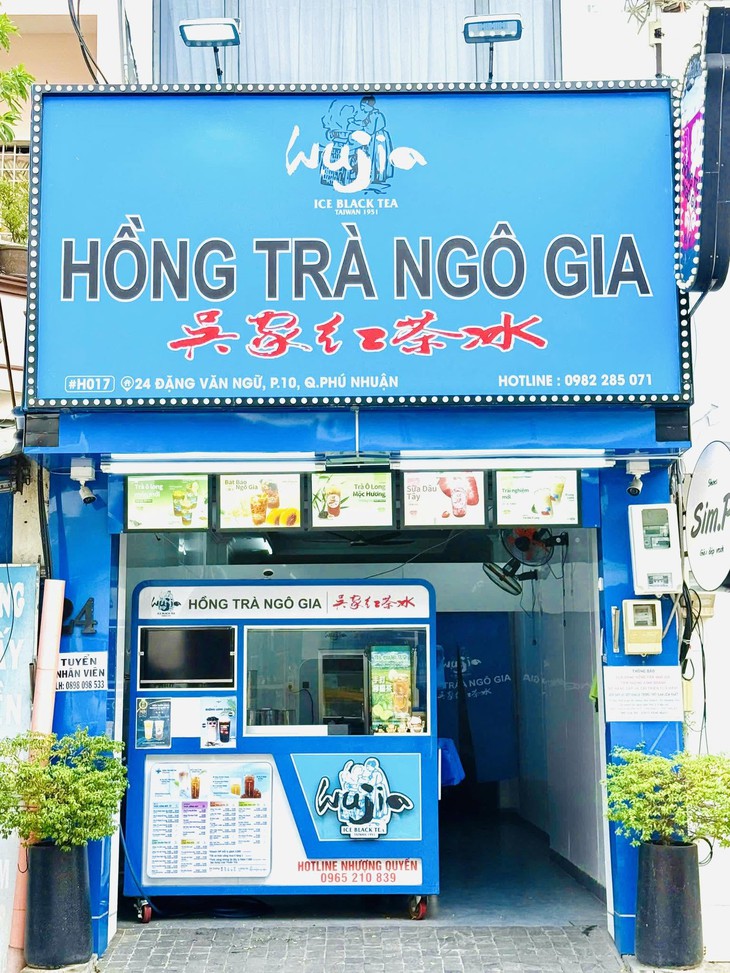
Since entering the Vietnamese market in 2019, the brand has experienced rapid expansion, mirroring the broader explosion of the local bubble tea and specialty beverage industry. Through an aggressive franchising model, Hong Tra Ngo Gia rapidly scaled its operations, establishing a massive footprint across various provinces and cities. By 2026, the brand successfully developed an extensive network comprising over 600 franchised outlets throughout Vietnam. This impressive scale transformed the brand into a household name, particularly appealing to younger demographics and urban consumers.
However, the rapid scaling of franchise models in Vietnam’s highly competitive food and beverage sector often brings complex administrative, financial, and logistical challenges. Managing hundreds of decentralized locations requires robust internal accounting and transparent tax compliance mechanisms, making corporate restructuring a delicate process when interacting with local tax authorities.
The Administrative Transition and Tax Compliance Explanation
Addressing the public concerns stemming from the Tax Department’s announcement, Hong Tra Ngo Gia issued an official statement on September 15 via its primary digital communications channel—a verified fanpage boasting a dedicated following of approximately 142,000 users.
In its public communication, the company acknowledged the outstanding financial figures published by the Ho Chi Minh City tax authorities but clarified that the financial obligations are tied directly to an ongoing, complex corporate relocation process. Specifically, the enterprise stated that it is currently executing a legal transition involving the change of its official business headquarters address.
According to provisions outlined in Vietnam’s Law on Tax Administration and its accompanying implementation guidelines, when a business enterprise undergoes a change in its registered business address that subsequently leads to a transfer of its direct tax-managing authority, specific legal protocols must be followed. The corporate entity bears the legal responsibility to fully reconcile, settle, and clear all historical tax obligations, as well as any newly generated tax liabilities up to the precise date of the administrative transfer, with its current supervising tax agency before completing the migration to a new jurisdiction.
"Hong Tra Ngo Gia has been and is actively cooperating, filing declarations, and fulfilling financial obligations in strict accordance with the accurate data and schedules agreed upon during working sessions with the tax authorities," the company affirmed in its official statement. The enterprise emphasized its commitment to regulatory compliance and sought to reassure its franchise partners, investors, and loyal customer base regarding the stability and integrity of its operations.
Understanding Vietnam’s Evolving Tax Enforcement Landscape
The public disclosure of significant tax arrears by major commercial brands forms part of a broader, concerted effort by the General Department of Taxation and regional tax sub-departments in Vietnam to enhance fiscal transparency. In recent years, tax authorities have systematically published lists of delinquent corporate taxpayers to encourage voluntary compliance, deter tax avoidance, and recover outstanding state budget revenues.
For retail and franchising giants operating within major economic zones like Ho Chi Minh City, tax audits and public enforcement actions are standard procedures designed to ensure a level playing field. The transition of business headquarters—often cited by expanding companies as a reason for temporary administrative backlogs—frequently triggers comprehensive tax finalization audits. During these comprehensive audits, tax authorities meticulously review historical declarations, value-added tax (VAT) filings, corporate income tax reports, and employee personal income tax withholdings.
Financial analysts note that while multi-location franchise businesses often generate substantial cash flows, their complex structures—involving corporate revenue, individual franchise fees, and decentralized supply chain transactions—can occasionally create friction during administrative transitions between district-level and municipal-level tax bureaus.
Implications for the Franchise Network and Market Standing
Despite the substantial monetary figure cited in the tax arrears report, industry observers suggest that transparent communication and proactive cooperation with tax regulators will be critical for Hong Tra Ngo Gia to safeguard its brand equity. With a sprawling network of over 600 franchised stores, the brand’s primary asset lies in consumer trust and the operational stability of its individual storefront owners.

Franchisees operating under the Hong Tra Ngo Gia banner have closely monitored the situation, mindful of how corporate regulatory challenges can influence consumer perception. However, the company’s swift public response and explicit pledge to resolve its financial obligations have helped mitigate immediate panic among business partners.
As Vietnam’s retail and culinary sectors continue to mature post-pandemic, regulatory scrutiny is expected to remain high across all segments of the economy. Enterprises scaling through franchising must navigate increasingly stringent compliance frameworks, where timely tax settlements and administrative transparency are as vital to long-term survival as marketing and product innovation.
Hong Tra Ngo Gia’s ability to swiftly finalize its administrative relocation and settle its outstanding liabilities with the Ho Chi Minh City Tax Department will serve as an essential litmus test for the brand’s institutional maturity. As the company works through the final stages of its financial reconciliation, stakeholders across the Vietnamese beverage industry will be watching closely to see how effectively the brand balances rapid commercial expansion with rigorous corporate governance.