FBI Confirms North Korea Linked TraderTraitor Group Behind Record $6.3 Billion Binance Cryptocurrency Heist

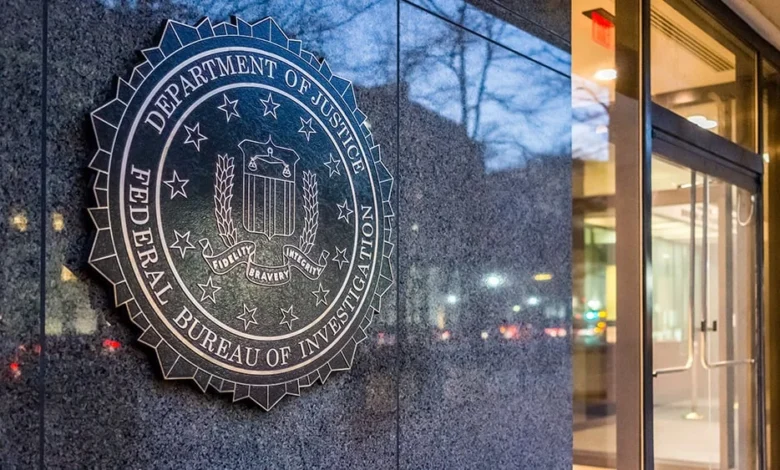
Federal Bureau of Investigation Confirms North Korean Cyber Warfare Group as Culprit in Historic Crypto Breach
The United States Federal Bureau of Investigation (FBI) has officially confirmed that the notorious North Korean state-sponsored hacking collective known as TraderTraitor is directly responsible for the staggering $6.3 billion cryptocurrency theft from major digital asset exchange Binance. The unprecedented security breach, which unfolded late last month, stands as the largest cryptocurrency heist in financial history, far eclipsing previous high-profile digital asset thefts and sending shockwaves through the global decentralized finance ecosystem.
According to a formal public advisory issued jointly by the FBI, the United States Secret Service (USSS), and the Internal Revenue Service Criminal Investigation (IRS-CI) division, the threat actors systematically bypassed multi-layered security protocols to extract digital assets across multiple blockchains. The revelation highlights the escalating sophistication of state-backed cybercrime organizations and underscores the severe vulnerabilities persisting within centralized cryptocurrency infrastructure, prompting immediate international cooperation and emergency regulatory scrutiny.
Chronology of an Unprecedented Digital Heist
The meticulously planned cyberattack commenced on the evening of October 29, catching the cybersecurity community and exchange operators entirely off guard. According to forensic data compiled by blockchain analytics firm TRM Labs, approximately $6.36 billion worth of digital assets was rapidly drained from various Binance-associated wallets spread across ten distinct blockchain networks. The vast majority of these unauthorized withdrawals were executed within a terrifying twenty-minute window, demonstrating an extraordinary level of automation, pre-planning, and internal coordination.
CEO Richard Teng later characterized the incident during an emergency briefing as a highly complex, multi-stage cyber assault. Preliminary investigations revealed that the breach was facilitated by an initial compromise involving a targeted laptop belonging to an internal staff member. The attackers deployed specialized, highly destructive malware explicitly designed to erase digital footprints, manipulate system logs, and evade immediate detection by automated intrusion-prevention systems.
The timeline of the attack highlights the lightning-fast execution characteristic of sophisticated advanced persistent threat (APT) groups. Within minutes of gaining unauthorized administrative access, the perpetrators began fragmenting the stolen capital. By utilizing automated cross-chain bridges, the hackers converted the bulk of the stolen funds into Ethereum and various privacy-centric tokens, initiating a massive, highly sophisticated laundering operation designed to obscure the trails before authorities could freeze the assets at the source.
Massive Supporting Data and Forensic Tracking
The scale of the Binance breach dwarfs all previous digital asset thefts in the history of distributed ledger technology. To put the figure into perspective, the $6.3 billion heist is nearly four times larger than the infamous Bybit exploit of February 2025, which saw approximately $1.5 billion stolen—an attack that security firms also attributed to the exact same North Korean network.
In response to the unfolding crisis, law enforcement agencies and blockchain intelligence firms mobilized immediately. On October 31, the FBI published a comprehensive tracking advisory listing more than 600 Ethereum wallet addresses, nearly 20 Bitcoin addresses, and a prominent Solana address tied directly to the stolen funds and the subsequent money laundering pathways.

Furthermore, major stablecoin issuers and centralized protocol administrators acted swiftly following automated alerts, successfully freezing approximately $2.4 billion of the stolen capital before it could be fully converted or moved into untraceable mixing services. However, independent blockchain intelligence firm Chainalysis has warned that the remaining active wallet addresses utilized for money laundering could potentially branch out into tens of thousands of intermediate addresses in the coming weeks, presenting an ongoing challenge for global compliance teams and decentralized finance (DeFi) protocols.
Official Responses and Immediate Mitigation Measures
Faced with the largest operational and financial crisis in its history, Binance leadership initiated an aggressive containment and recovery strategy. In an unprecedented move designed to protect user trust and maintain market stability, Binance announced that it would entirely absorb the financial blow using its internal reserves.
Approximately $6.34 billion was pulled directly from the company’s secure asset funds, including the Secure Asset Fund for Users (SAFU), its dedicated Bitcoin reserve pool, and the Futures Insurance Fund. Company executives explicitly confirmed that retail users would experience zero financial loss, insulating individual account holders from the fallout of the catastrophic breach. Following exhaustive security audits and rapid infrastructure patching, Binance successfully resumed normal platform operations, including standard deposit and withdrawal functionalities, by Sunday, November 1.
Meanwhile, international law enforcement agencies have intensified pressure on the decentralized finance sector. In its October 31 advisory, the FBI issued a direct, urgent call to action addressed to centralized cryptocurrency exchanges, node operators, decentralized finance (DeFi) liquidity providers, and blockchain analytics firms worldwide. Regulatory authorities instructed these entities to immediately blacklist, flag, and block any incoming or outgoing transactions associated with the newly published wallet addresses.
Despite mounting technical evidence and formal attributions by Western intelligence agencies, the government of North Korea has continued to issue categorical denials regarding its involvement in the Binance exploit, maintaining its standard diplomatic posture concerning state-sponsored cyber warfare activities.
Broader Impact and Implications for the Global Crypto Economy
The successful execution of a $6.3 billion cyberattack against one of the world’s largest and most heavily defended cryptocurrency exchanges carries profound implications for the future of digital asset security, regulation, and institutional adoption.
First, the incident refocuses global attention on the ongoing threat posed by state-sponsored cyber syndicates. Security researchers have long identified TraderTraitor as a specialized sub-group operating under the umbrella of the Lazarus Group—a notorious cyberespionage and financial crime collective linked to the Reconnaissance General Bureau, North Korea’s primary primary foreign intelligence agency. Over the past decade, these state-backed operatives have systematically targeted the global cryptocurrency industry to generate illicit revenue streams, bypassing international economic sanctions to fund the regime’s strategic programs.
Second, the heavy reliance on decentralized finance (DeFi) protocols and cross-chain bridges for money laundering highlights a persistent structural vulnerability within the Web3 architecture. While centralized exchanges maintain strict know-your-customer (KYC) and anti-money laundering (AML) compliance frameworks, the permissionless and pseudonymous nature of DeFi liquidity pools, automated market makers (AMMs), and privacy mixers provides cybercriminals with efficient avenues to launder billions of dollars with minimal friction.
Finally, the Binance breach is expected to catalyze a dramatic tightening of regulatory oversight across the global cryptocurrency sector. Financial watchdogs in the United States, Europe, and Asia are likely to mandate rigorous cybersecurity standards, mandatory third-party audits, and standardized incident-reporting protocols for all centralized digital asset service providers. As institutional investors increasingly integrate digital assets into traditional portfolios, the imperative to eradicate systemic vulnerabilities and disrupt state-backed cyber threats has never been more urgent.
Related posts: