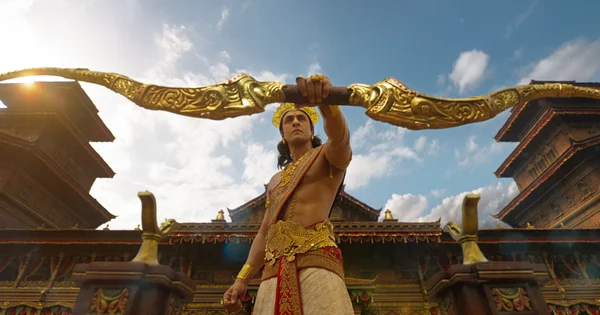
The cinematic adaptation of the Ramayana, titled Ramayana: Rise of a Legend, represents one of the most ambitious undertakings in the history of the Indian film industry. With a staggering production budget estimated at 500 million USD, the film aims to translate one of the world’s oldest and most influential epics into a visually immersive modern masterpiece. Directed by Nitesh Tiwari, the project seeks to bridge the gap between ancient cultural heritage and contemporary high-budget filmmaking, setting a new benchmark for how Indian mythology is portrayed on the international stage.
Historical Context and Cultural Significance
The Ramayana is an ancient Sanskrit epic attributed to the sage Valmiki, dating back to roughly the 5th to 4th century BCE. It narrates the life of Rama, a legendary prince of the Kosala Kingdom, whose life is defined by duty, virtue, and sacrifice. The epic is not merely a story but a foundational text for millions, deeply woven into the religious, moral, and cultural fabric of India and much of Southeast Asia.
For decades, the Ramayana has been adapted into various formats, ranging from traditional theatrical performances like the Ramlila to television serials that captivated generations. However, the move to a global-scale cinematic format with cutting-edge visual effects signifies a shift in how Indian studios approach intellectual property. By leveraging a 500 million USD budget, the production team is signaling that they are no longer content with localized storytelling, but are instead aiming for a global narrative standard that competes with Hollywood’s highest-grossing fantasy franchises.
Production Chronology and Development
The development of the film has been marked by meticulous attention to detail and a commitment to authenticity, despite the use of modern technology. Production began with the goal of creating a multi-part cinematic experience. The first installment, released to significant anticipation, serves as the origin story, establishing the world-building, character motivations, and the primary conflict between the forces of good and evil.
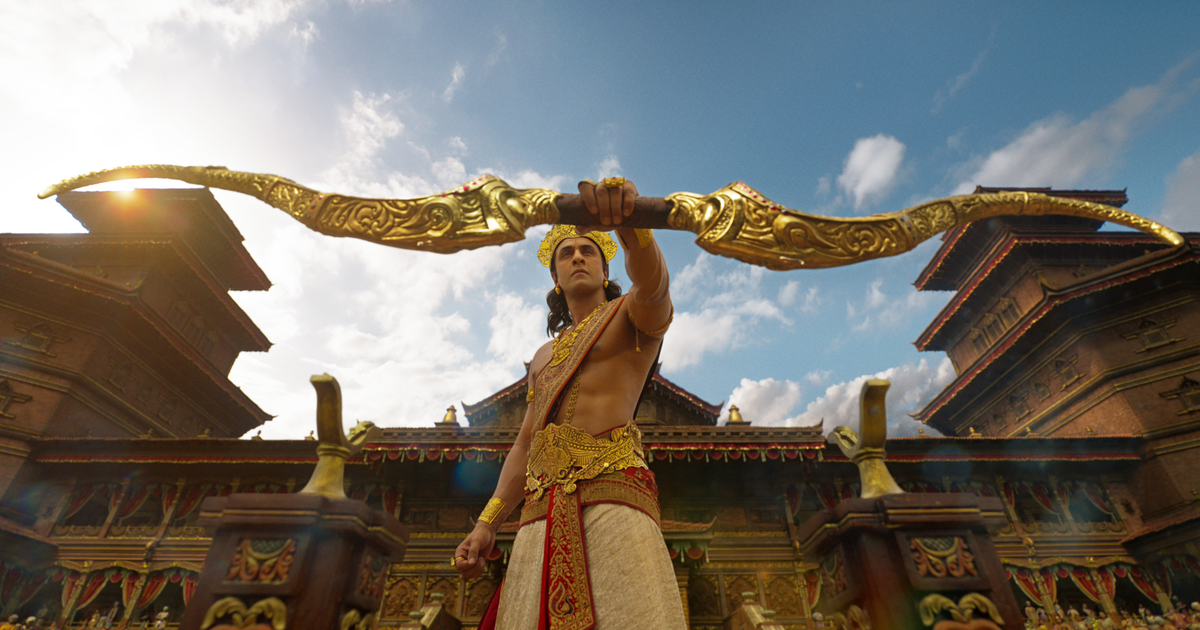
The production timeline saw years of pre-production work involving historians, linguistic experts, and visual artists tasked with recreating the ancient architecture and mythological landscapes. The filming process was conducted in phases, with a focus on capturing the scale of the ancient kingdoms and the supernatural elements described in the texts. The film is currently projected as a two-part saga, with the second installment scheduled for a 2028 release, allowing the production team time to refine the visual effects and narrative pacing based on the reception of the first chapter.
Technical Prowess: Bridging Folklore and Technology
A significant portion of the film’s budget has been allocated to visual effects (VFX) and sound design. Director Nitesh Tiwari has opted for a hybrid approach, combining traditional narrative structures with high-fidelity CGI. The film features expansive sets, from the opulent palaces of Ayodhya to the mystical, dense forests of the exile period, and the complex, otherworldly realm of Lanka.
The soundscape of the movie is another pillar of its production. The collaboration between legendary composer A.R. Rahman and Hans Zimmer marks a unique crossover, blending the distinct musical traditions of Indian classical instrumentation with the grand, symphonic style of international cinema. This auditory landscape is designed to heighten the emotional stakes of the battle sequences, which utilize wide-angle cinematography and sophisticated camera movements to provide a sense of overwhelming scale.
Analysis of the Cast and Performance Dynamics
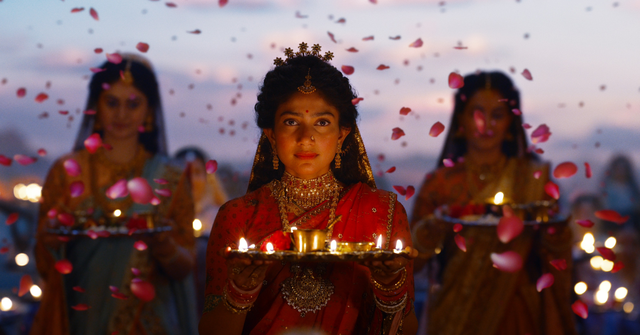
The film features an ensemble cast chosen for their ability to balance the gravity of their mythological roles with the demands of modern acting. Ranbir Kapoor portrays Prince Rama, adopting a performance style characterized by restraint and internal reflection—a departure from more melodramatic interpretations. Sai Pallavi embodies Princess Sita, serving as the emotional anchor of the film, while Yash takes on the complex role of the antagonist, Ravana.
The depiction of Ravana is particularly noteworthy. Rather than portraying him as a one-dimensional villain, the film explores the character’s immense power, pride, and philosophical complexities. This nuanced portrayal creates a stark dichotomy between Rama and Ravana, elevating the central conflict from a simple struggle to a battle of clashing ideologies. However, some critics have noted that the sheer number of characters and the rapid pace of the narrative, necessitated by the vast source material, have left some supporting characters with limited room for deep psychological development.
Economic and Industry Implications
The 500 million USD investment into this production is a bold bet on the international viability of Indian mythology. Industry analysts suggest that this project could redefine the perception of Indian cinema, which has historically been categorized by some global markets as being reliant on less-than-sophisticated visual effects or genre-specific tropes.
The reception of the film in its opening weeks has been largely positive regarding its production quality. Many viewers have reported being surprised by the high standard of CGI and the depth of the sound design, noting that it has fundamentally changed their expectations for local productions. The availability of IMAX and 3D formats has furthered the argument that Indian studios are capable of delivering premium, theater-exclusive experiences.
Challenges and Critical Reception
Despite its successes, the film has faced criticism regarding its narrative structure. Some viewers and critics have argued that the reliance on VFX occasionally detracts from the realism of the world-building, making certain environments feel artificial. Furthermore, the decision to split the narrative into multiple parts has resulted in a first installment that focuses heavily on setup, leaving the audience feeling that the resolution of certain plot threads is delayed.
The pacing of the film—stretching over three hours—has also been a point of contention. While some fans of epic cinema appreciate the immersive experience, others have found the length and the 3D viewing experience to be physically fatiguing. There is a consensus among critics that while the technical investment is evident, the film’s narrative balance between world-building and character development remains a work in progress, which the production team will likely need to address in the 2028 sequel.
Looking Ahead
As the industry looks toward the second installment, the success of Ramayana: Rise of a Legend will be measured not just in box office returns, but in its ability to sustain interest in a multi-year franchise. The film has succeeded in creating a cultural touchpoint that invites both devotion and critique, a hallmark of any significant adaptation of a classic text.
The overarching impact of this project is the professionalization of mythological storytelling. By applying rigorous production standards, the film has opened the door for future projects to explore India’s vast library of epics with similar levels of investment and technical ambition. Whether it achieves the goal of becoming a lasting global classic will depend on how the narrative concludes in the coming years, but for now, it stands as a testament to the evolving scale and scope of contemporary Asian cinema.
Ultimately, Ramayana: Rise of a Legend serves as a bridge between the past and the future. It honors the ancient heritage of the Ramayana while utilizing the most advanced tools of the 21st century to bring it to a new generation. While technical and pacing challenges remain, the sheer audacity of the project is a clear indicator that the Indian film industry is entering a new era of global competition, where the stories of the past are being told with the technical precision of the future.