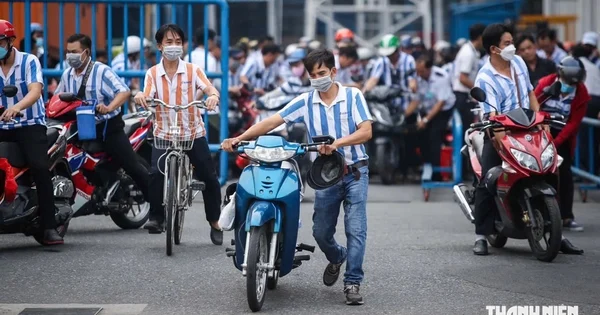
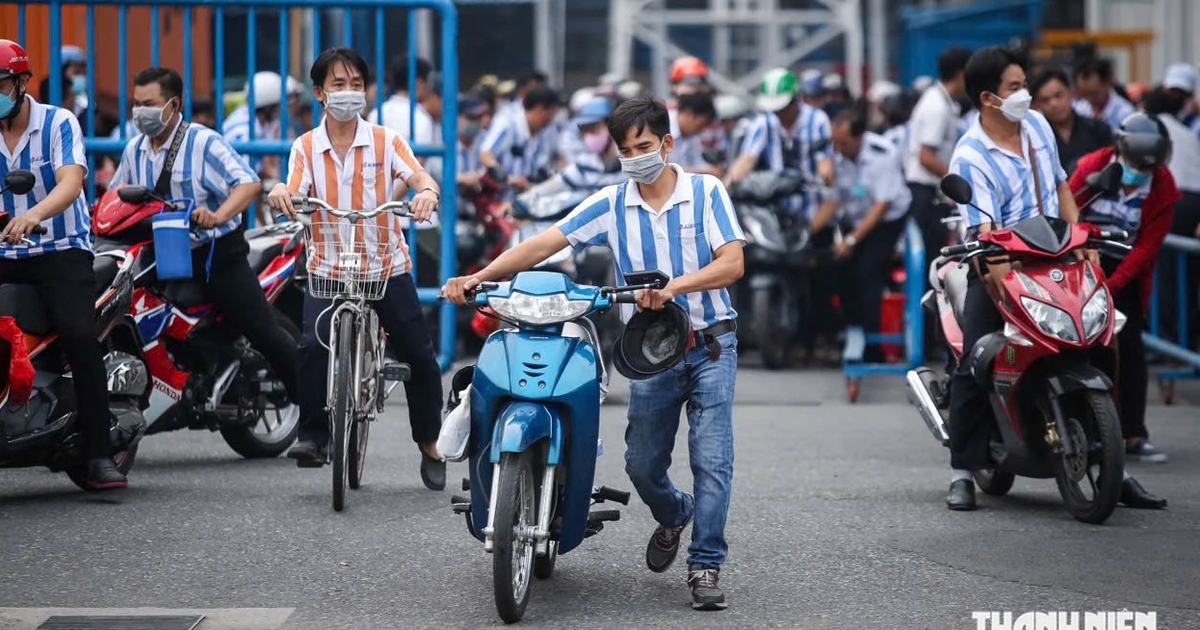
The labor market in Ho Chi Minh City, the economic engine of Vietnam, has demonstrated a significant recovery following a period of acute instability. Over a year ago, the city’s industrial hubs and export processing zones faced a severe labor shortage, a crisis that rippled through supply chains and threatened to derail production schedules. Today, however, the Department of Labor, Invalids and Social Affairs (DOLISA) reports that the labor market has successfully regained its equilibrium, with a steady influx of workers stabilizing industrial output and commercial operations across the metropolitan area.
A Year of Transformation: From Crisis to Stability
Approximately 12 to 18 months ago, Ho Chi Minh City experienced an alarming trend of mass labor migration. A combination of post-pandemic adjustments, rising living costs, and competitive shifts in regional manufacturing hubs led thousands of migrant workers to depart from the city. This exodus created significant vacancies in critical sectors, including electronics assembly, garment manufacturing, and logistics.
The situation was dire. Major industrial zones, such as the Linh Trung Export Processing Zone and the Binh Chieu Industrial Park, struggled to maintain operational capacity. The scarcity of labor was not merely a quantitative problem; it was a structural one, as skilled technicians and experienced assembly-line workers were among those who left. This created a bottleneck that forced many enterprises to delay expansion plans or scale back production during the crucial final quarters of the fiscal year.
However, as of November 12, the narrative has shifted. Data provided by the city’s labor authorities confirms that the labor market has not only stabilized but is now seeing consistent growth. This turnaround is the result of a multi-faceted approach involving government intervention, corporate policy adjustments, and regional cooperation.
The Catalysts of Recovery
The recovery of the labor market in Ho Chi Minh City did not happen in a vacuum. It was the result of a deliberate, coordinated effort to address both the supply and demand sides of the employment equation.
According to municipal officials, the primary driver of this stabilization is the improved health of the manufacturing and business sectors. As global demand for Vietnamese exports—particularly in the electronics and consumer goods sectors—began to normalize, factories increased their hiring capacity.
Furthermore, the city’s social security net played a vital role. By prioritizing social housing, healthcare access, and financial support for migrant workers, the city administration made it more attractive for labor to return. A key component of this was the strategic connection between labor supply and demand, not just within the city but across the broader southern economic region. By facilitating easier access to job portals and cross-provincial hiring fairs, the government ensured that the flow of labor from rural provinces to urban centers became more predictable and efficient.
Strategic Infrastructure and Social Housing Development
One of the most significant barriers to retaining a workforce in a high-cost city like Ho Chi Minh City has historically been the lack of affordable housing. Recognizing this, the city has accelerated its social housing initiatives, setting an ambitious target of providing 199,400 units by 2030.
By the end of the third quarter of 2026, the city had already successfully brought 2,283 units into use, with another 25 projects—comprising 22,900 units—currently under construction. These efforts are designed to ensure that the workforce can settle in the city long-term, rather than treating their employment as a temporary stay. The government has also actively encouraged private enterprises to improve wage structures, provide supplementary benefits, and enhance working conditions, which has proven essential in reducing turnover rates.
The Current Landscape: A Data-Driven Analysis
Despite the overall recovery, the labor market remains dynamic. Certain sectors, particularly those requiring highly specialized technical skills, still face competitive pressure. High-tech manufacturing, engineering, and advanced logistics are areas where companies continue to vie for talent.
The Job Services Center of Ho Chi Minh City has become a central hub for this matching process. By hosting frequent job fairs—both in-person and virtual—the center acts as a bridge for recent graduates, demobilized soldiers, and workers transitioning between industries.
To ensure the sustainability of this growth, the city has fostered a collaborative network with 11 other provinces and cities. This inter-provincial cooperation allows for the sharing of labor data and unemployment insurance records, which provides authorities with a real-time view of labor mobility. This data-driven approach allows for more agile responses to potential labor shortages before they manifest as critical supply chain disruptions.
Addressing Residual Challenges
While the broader trend is positive, it is important to note that the market is not entirely without friction. There remains a disparity between the skills required by modern, automated factories and the skills possessed by some segments of the available workforce.
Companies in the manufacturing sector report that while they have enough workers for general labor, they struggle to recruit for positions involving complex machinery operation and quality control. To address this, the city is encouraging public-private partnerships in vocational training. By aligning the curricula of local technical colleges with the specific needs of major industrial tenants, the city aims to bridge the "skills gap" that still exists in niche sectors.
Implications for the Future
The stabilization of the labor market in Ho Chi Minh City has profound implications for the national economy. As the commercial capital of Vietnam, the city’s ability to maintain a reliable workforce directly influences foreign direct investment (FDI) sentiment. When investors see a stable labor environment, they are more likely to commit to long-term capital projects.
Furthermore, the focus on "quality of life" metrics—such as housing and benefits—represents a shift in the city’s developmental strategy. Rather than relying solely on low-cost labor, the city is evolving toward a model that values workforce retention and skill development. This transition is crucial for Vietnam to remain competitive in the global market, especially as neighboring countries also vie for manufacturing investments.
Conclusion: A Sustainable Path Forward
The recovery of the labor market in Ho Chi Minh City is a testament to the effectiveness of proactive governance and market-responsive policies. By moving away from reactive measures to a system of long-term planning, the city has successfully navigated one of the most significant labor crises in recent history.
Looking toward the end of 2026 and beyond, the focus will remain on transparency and connectivity. The mandate for companies to publicly disclose job requirements, wage levels, and benefits on the municipal Job Exchange platform is a step toward creating a more transparent and equitable market. While challenges remain, the structural foundation is now significantly stronger. The city has proven that it can adapt to the complexities of a modern economy, ensuring that it remains a vibrant, attractive destination for workers and investors alike. As the city continues to implement its housing and training initiatives, it is well-positioned to sustain its economic momentum, providing a blueprint for other rapidly developing urban centers in the region.