EU Unblocks $6.6 Billion Military Aid Package for Ukraine as Russian Forces Advance on the Frontlines

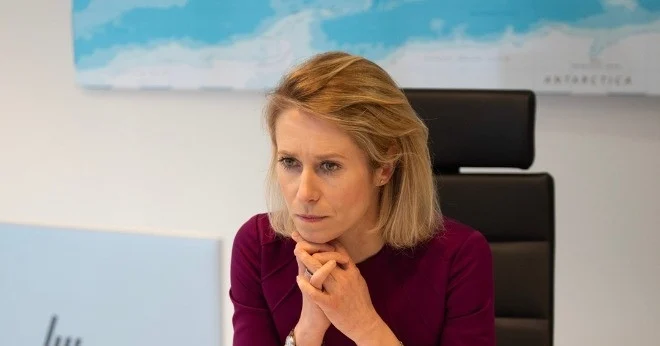
The European Union has officially unblocked a stalled military assistance package worth 6.6 billion US dollars (approximately 6 billion euros) intended to support Ukraine in its ongoing conflict with Russia. Kaja Kallas, the EU’s High Representative for Foreign Affairs and Security Policy, confirmed the breakthrough on September 25, marking a significant milestone for European defense cooperation and signaling continued Western resolve. This financial injection arrives at a critical juncture for Kiev, which faces severe defense budget shortfalls and mounting pressures across multiple sectors of the frontline as Russian forces continue their tactical advances.
Background and Context of the European Peace Facility
The newly unlocked funds operate under the framework of the European Peace Facility (EPF). Established by the EU as an off-budget instrument, the EPF is specifically designed to enhance the bloc’s capacity to prevent conflicts, build peace, and strengthen international security. In the context of the war in Ukraine, the mechanism functions by reimbursing EU member states a portion of the costs incurred when they supply military equipment, ammunition, and defense platforms to Kiev.
This reimbursement model was created to ensure that individual European nations could maintain a steady flow of arms deliveries to Ukraine without depleting their domestic defense budgets entirely or violating fiscal rules set by the bloc. Since the outbreak of full-scale hostilities in February 2022, the EPF has served as a cornerstone of the EU’s financial and military backing, facilitating billions of euros in joint defense procurement and direct reimbursements.
However, the mechanism faced severe political paralysis. The 6.6 billion dollar tranche had been blocked since May 2023, when the government of Hungarian Prime Minister Viktor Orbán vetoed the release of funds under the EPF. Budapest repeatedly raised objections regarding how the mechanism operated, citing concerns over escalation and political disagreements over the distribution of funds.
The deadlock persisted for nearly a year, creating intense diplomatic friction within Brussels and delaying vital military shipments to Ukraine. The logjam was finally cleared following a shift in political dynamics within Hungary, culminating in Peter Magyar assuming the role of Prime Minister in April, which paved the way for renewed consensus among the 27 EU member states.
Breakdown of the Funding Allocation
During her announcement, Kaja Kallas emphasized the strategic importance of the decision, framing it as a direct rebuff to external attempts to divide the European Union.
"This decision is good news for Ukraine," Kallas stated. "The actions and pressure from Russia aimed at dividing the EU will not achieve results. Europe remains steadfast in maintaining and intensifying its support activities dedicated to Kiev."

A detailed examination of the 6.6 billion dollar package reveals how the funds will be distributed across various military support categories:
- Direct Reimbursements: The vast majority of the package, approximately 4.7 billion euros, will be utilized to directly reimburse EU member states for the military hardware and ammunition they have already transferred from their national stockpiles to Ukraine.
- Joint Defense Procurement: Roughly 1 billion euros has been earmarked to fund joint procurement projects aimed at acquiring new, advanced military equipment directly from European defense manufacturers, thereby bolstering the bloc’s industrial base.
- Military Training Programs: The remaining 900 million euros will be allocated to co-finance and sustain the ongoing training missions for Ukrainian service personnel conducted by EU training commands across Europe.
Furthermore, Kallas noted that several unnamed EU member states have already agreed to channel portions of their anticipated reimbursements directly to Ukraine ahead of schedule, providing an immediate liquidity boost. This financial relief comes at a vital moment, as independent estimates suggest Kiev is currently facing a defense budget deficit approaching 24 billion euros as it prepares for the challenges of an extended conflict.
Frontline Developments: Russian Forces Secure New Positions
While Brussels celebrated the unblocking of the financial package, the situation on the ground in Ukraine remains intensely challenging. According to reports from the Russian Ministry of Defense on September 26, military units from Moscow have continued to make incremental territorial gains across several sectors of the frontline over the preceding 24-hour period.
The Russian military command stated that troops belonging to the "North" combat group successfully captured the village of Maryino in the Sumy region. During these engagements, Russian reports claimed that Ukrainian forces suffered significant personnel losses, estimated at approximately 245 servicemen, alongside the destruction of multiple units of heavy weaponry and military hardware.
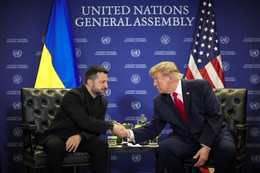
Additionally, Russian forces reportedly pushed Ukrainian defensive units out of two settlements in the Kharkiv region—Petropavlivka and Lozovaya—while simultaneously maneuvering to encircle a pocket of Ukrainian troops near the locality of Nefedovka. These tactical movements reflect the grueling nature of the ongoing attrition warfare, where both sides are locked in fierce positional battles along a sprawling, highly contested frontline.
Broader Implications for the Conflict and International Diplomacy
The simultaneous occurrence of a major financial breakthrough in Brussels and continuous frontline friction highlights the dual-track nature of the conflict: a diplomatic and financial war of attrition fought in European capitals, juxtaposed with high-intensity combat on Ukrainian soil.
Analysts point out that while the unblocking of the 6.6 billion dollar EPF tranche provides essential long-term security assurances, Ukraine continues to grapple with immediate operational vulnerabilities. Chief among these is the escalating threat posed by unmanned aerial vehicles (UAVs) and drones. Ukrainian leadership, including President Volodymyr Zelensky, has repeatedly warned that the upcoming winter season will introduce severe challenges regarding air defense and drone warfare, particularly as energy infrastructure remains a primary target for aerial strikes.
At the diplomatic level, rumors and proposals regarding potential pathways to peace continue to circulate globally, though they are frequently met with skepticism or outright denial from the parties involved. Recent reports suggesting external pressure or mediation efforts—such as unconfirmed claims regarding international figures pushing for direct negotiations in Moscow—have been promptly dismissed by Kiev. Ukrainian officials maintain their commitment to sovereignty and territorial integrity, insisting that any sustainable peace framework must align with international law and Ukrainian security requirements.
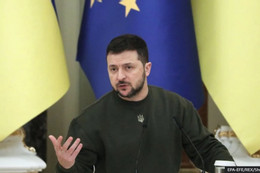
Meanwhile, international allies continue to calibrate their support. While European nations work to streamline defense procurement and financial aid, discussions persist among Washington and its NATO partners regarding the limitations of temporary ceasefires. United States officials have recently acknowledged that short-term freezes or pauses in hostilities cannot entirely resolve the deep-rooted geopolitical drivers of the conflict, though such measures could theoretically alleviate immediate humanitarian pressures and reduce systemic global economic strain.
As the European Union implements its renewed funding mechanisms, the impact of the 6.6 billion dollar package will depend heavily on the speed of delivery and the ability of European defense industries to scale up production. For Ukraine, the immediate challenge lies in sustaining its defensive lines against persistent Russian pressure while integrating incoming military hardware and preparing for the logistical hardships of the winter campaign season.