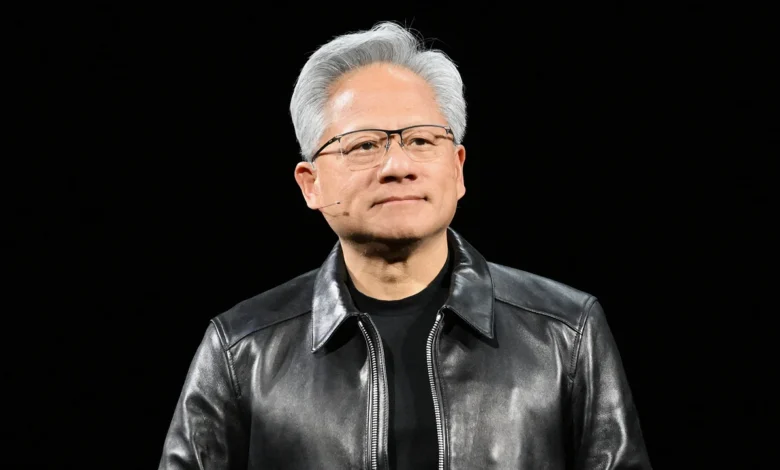
The technology sector has been rocked by a series of revelations concerning Jensen Huang, the high-profile CEO of Nvidia, and his alleged association with Alice Huang, a Chinese entrepreneur who U.S. intelligence officials have reportedly identified as a potential foreign intelligence asset. This unfolding scandal, which has already resulted in Jensen Huang’s resignation as CEO, has triggered a massive sell-off in Nvidia’s stock and raised critical questions regarding corporate governance, national security, and the intricacies of international chip supply chains.
The narrative began to take shape through the diligent efforts of Culper Research, a boutique short-selling firm based in the United States. While their investigative efforts into Nvidia were initially met with market apathy, the subsequent confirmation of a deeper geopolitical and personal connection transformed these findings into a central pillar of a corporate governance crisis.
The Investigative Genesis: Culper Research’s Deep Dive
Culper Research, led by 31-year-old founder Christian Lamarco, began scrutinizing Nvidia long before the mainstream media caught wind of the controversy. Lamarco’s interest was piqued in 2025 following reports from The New York Times and Bloomberg that documented interactions between Jensen Huang and various technology leaders across Asia.
However, the firm’s formal investigation into Nvidia did not accelerate until March 2026. This escalation followed the U.S. Department of Justice’s indictment of executives at Super Micro Computer, a San Jose-based company accused of facilitating the illicit shipment of Nvidia chips to China, effectively bypassing U.S. export control regulations. This development provided the necessary impetus for Culper Research to examine whether Nvidia’s hardware was still reaching the Chinese market through third-party intermediaries.
Lamarco and his team of analysts adopted a meticulous approach, utilizing a network of private investigators to conduct interviews with former Nvidia employees. They complemented these testimonials by auditing corporate filings in Singapore and Malaysia, while also cross-referencing activity logs from public video platforms. A key focal point of their inquiry was Megaspeed, a Singapore-based firm where Alice Huang had previously held an executive position. The team hypothesized that this company served as a conduit for sanctioned technology, a theory they documented in a 40-page report titled "NVIDIA (NVDA): The China Problem," published on May 13, 2026.
A Chronology of the Crisis
The timeline of this event highlights a slow-burning investigation that culminated in a sudden market collapse:
- 2025: Initial reports emerge concerning Jensen Huang’s interactions with various Asian technology executives. Culper Research begins preliminary monitoring of Nvidia.
- March 2026: U.S. authorities indict Super Micro Computer executives for circumventing export controls to China. This triggers a formal, deep-dive investigation by Culper Research.
- May 13, 2026: Culper Research releases its 40-page report, alleging that Nvidia products were reaching China via intermediaries in Southeast Asia. The market reaction is initially muted.
- October 29, 2026: The New York Times publishes an investigative piece citing U.S. intelligence officials who name Alice Huang as a potential Chinese intelligence asset. This marks the turning point in public sentiment.
- November 8, 2026: Jensen Huang issues a public admission regarding his personal relationship with Alice Huang, offering an apology to his family and the company.
- November 12, 2026: Nvidia officially announces the resignation of Jensen Huang. Colette Kress, the Chief Financial Officer, is appointed as the interim CEO. Nvidia’s stock drops nearly 10% on the news, erasing over $300 billion in market capitalization.
Data-Driven Impact: Market Volatility and Investor Sentiment
The financial repercussions for Nvidia have been profound. In the period following the public disclosure of the relationship between the two Huangs, Nvidia’s share price declined by approximately 20%. By the time of the CEO’s resignation on November 12, the total market capitalization of the semiconductor giant had plummeted by more than $1 trillion, falling to $3.88 trillion.
The market’s sensitivity to the report was not immediate, which Lamarco attributes to the general market’s initial skepticism toward short-seller reports. "Sometimes people care about what you say, sometimes they don’t. I suspect in this case, it took six months for the market to pay attention," Lamarco noted in an interview with the Wall Street Journal. The surge in volatility underscores the fragility of investor confidence when a company’s leadership becomes entangled in geopolitical controversies that threaten its core compliance framework.
The Core Allegations and National Security Implications
At the heart of the Culper Research investigation is the assertion that Nvidia’s technology, deemed critical to the development of artificial intelligence, was finding its way into the hands of prohibited entities in China despite stringent U.S. government sanctions. The investigators specifically pointed to the rapid expansion of companies like Megaspeed as evidence of a systemic breakdown in export compliance.
The involvement of Alice Huang, characterized by intelligence sources as an agent of interest, elevated the investigation from a matter of corporate compliance to one of national security. The concern, as articulated in the research report, is that the close personal proximity between the CEO of the world’s most valuable chipmaker and a suspected foreign intelligence operative could have created an environment prone to intellectual property leaks or unauthorized technology transfers.
Official Responses and Corporate Restructuring
Following the mounting pressure from both the regulatory front and the court of public opinion, Nvidia moved to insulate itself from the scandal. The company’s decision to initiate an independent investigation into the claims was a necessary precursor to the leadership changes that followed.
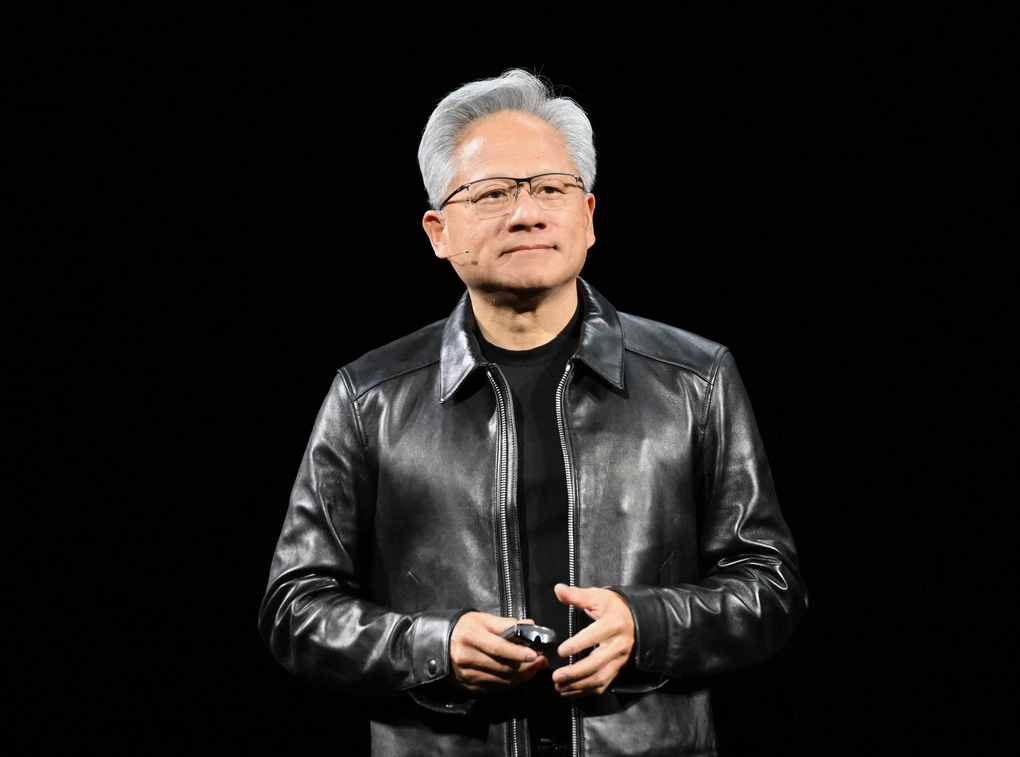
Jensen Huang’s statement on November 8, in which he acknowledged the relationship, was interpreted by many analysts as a final attempt to preserve his position. However, the subsequent revelation of the intelligence report linking Alice Huang to foreign espionage made his continued tenure untenable. The appointment of Colette Kress as interim CEO is viewed by analysts as a strategic move to restore stability and reassure institutional investors of the company’s commitment to transparency and regulatory compliance.
Broader Industry Impact and Future Outlook
The case of Nvidia serves as a stark reminder of the risks associated with the global supply chain in the semiconductor industry. As nations move to protect their technological sovereignty, companies operating at the cutting edge of AI development face heightened scrutiny.
For Culper Research, this investigation represents a significant validation of their business model. Although they have faced criticism for their short-selling tactics, the firm maintains that its goal is to expose fraud and corporate malfeasance that, if left unchecked, would mislead investors.
Looking ahead, the semiconductor sector is likely to see increased oversight from both the Committee on Foreign Investment in the United States (CFIUS) and international trade regulators. The incident with Nvidia has set a precedent, suggesting that leadership, regardless of their past contributions to innovation, will be held to the highest standards of integrity and national security alignment.
As for the broader implications of the scandal, it has initiated a period of soul-searching within the tech industry. Investors are now tasked with re-evaluating their risk models, placing a higher premium on corporate governance and the geopolitical affiliations of executive leadership. While Nvidia remains a dominant force in the global AI landscape, the path to restoring its former market valuation and reputation will be long and, by all accounts, complex.
Christian Lamarco, reflecting on the magnitude of his firm’s findings, noted that while they are currently pursuing other targets, none have the systemic significance of the Nvidia case. "We are digging deeper into the sector, but by its nature, there will be no other story as large as Nvidia," he concluded. The unfolding drama serves as a cautionary tale for an industry that has long operated with the assumption that technological prowess is sufficient to override geopolitical realities.