High-Level Diplomatic Maneuvers Intensify as US Envoys Arrive in Moscow Following Abu Dhabi Trilateral Talks on Ukraine Conflict Resolution

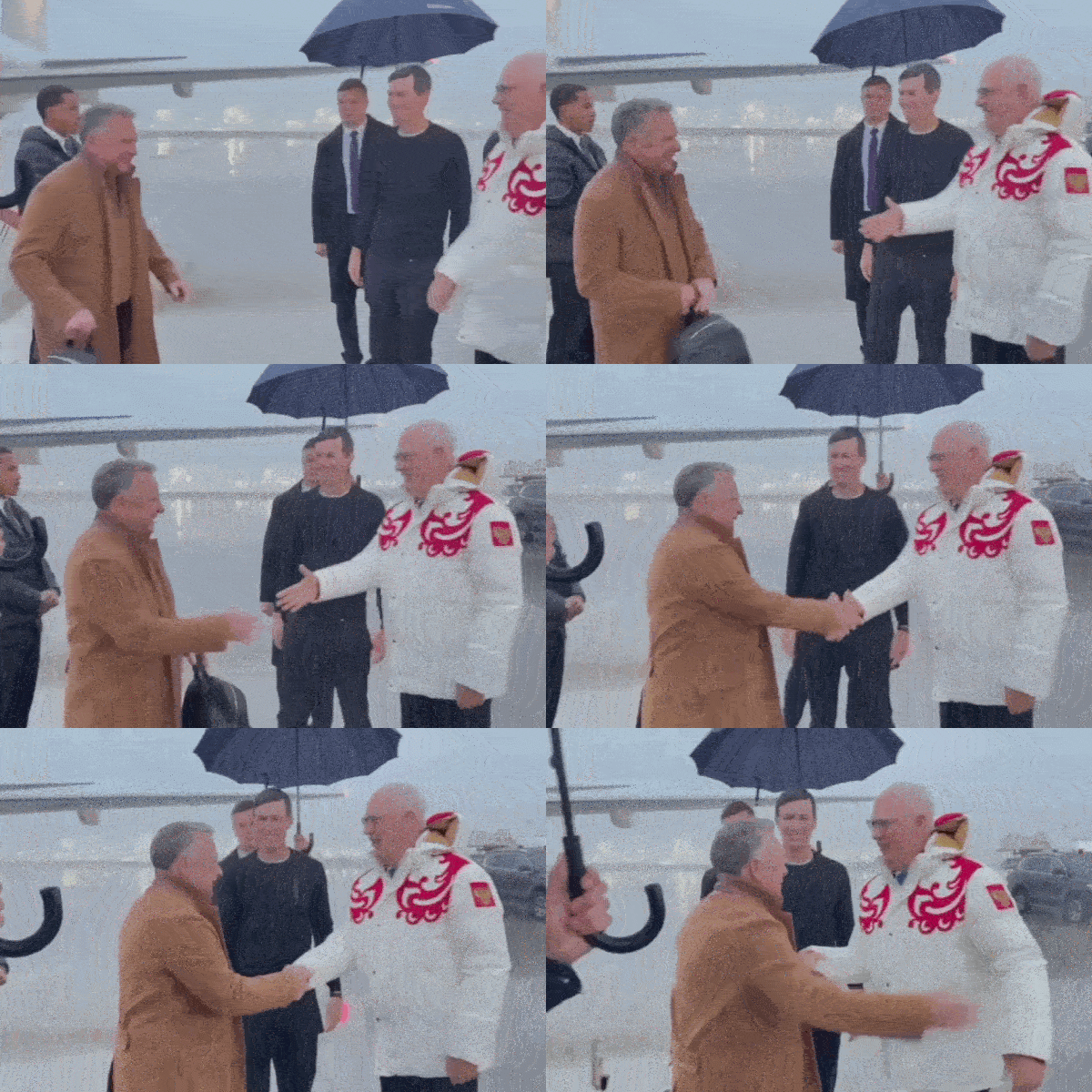
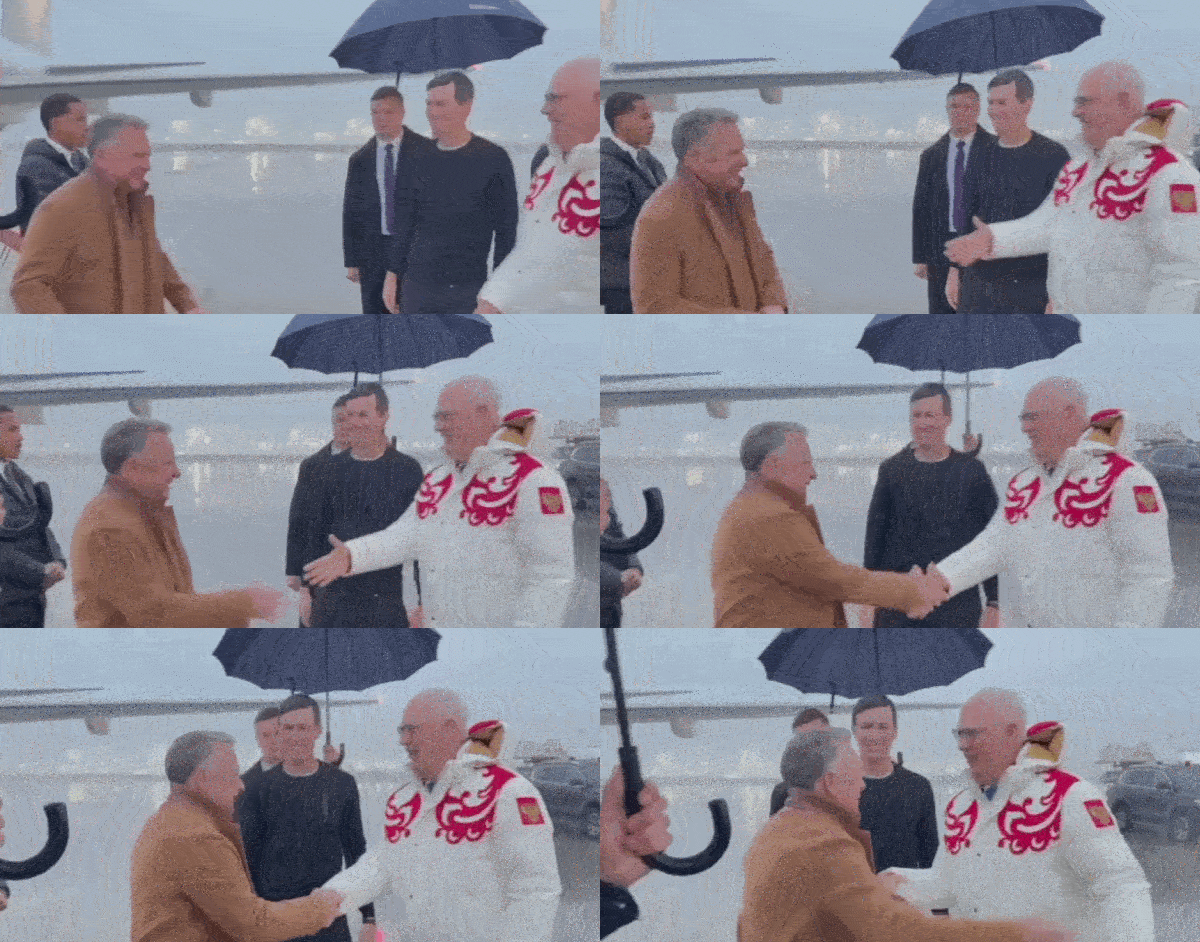
The diplomatic landscape surrounding the protracted conflict between Russia and Ukraine has entered a critical new phase, marked by high-stakes international shuttle diplomacy and intense back-channel negotiations. Following the conclusion of a complex round of trilateral talks in Abu Dhabi, United Arab Emirates, special envoys representing the United States have arrived in Moscow to brief the highest levels of the Russian government. The diplomatic delegation, featuring prominent American negotiators Steve Witkoff and Jared Kushner, landed in the Russian capital on November 12 to prepare for a pivotal face-to-face meeting with Russian President Vladimir Putin.
This high-level engagement comes at a juncture where international stakeholders are increasingly looking for concrete pathways toward a sustainable cessation of hostilities. While the recent trilateral discussions in Abu Dhabi—involving delegations from Russia, Ukraine, and the United States—concluded without achieving a major, immediate breakthrough on territorial sovereignty, participants from multiple
sides have underscored the constructive atmosphere of the dialogue. As Moscow prepares to weigh its next strategic moves, the outcomes of these ongoing discussions could heavily influence the trajectory of European security and the broader geopolitical architecture for years to come.
Chronology of the Current Diplomatic Push
The sequence of events leading up to the current meetings in Moscow reflects a compressed yet intensive diplomatic timeline designed to build momentum following years of devastating warfare.
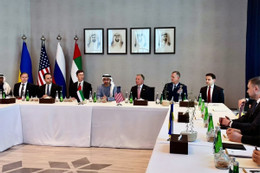
The process began gathering significant renewed momentum in early November, culminating in the trilateral negotiations hosted in Abu Dhabi. These sessions brought together American interlocutors alongside representatives from both Moscow and Kyiv in an effort to address foundational grievances and identify potential landing zones for a negotiated settlement. Vladimir Medinsky, who heads the Russian negotiating delegation, noted following these sessions that while sweeping territorial compromises remained elusive, the parties managed to reach a foundational agreement regarding a large-scale exchange of prisoners of war between Moscow and Kyiv, marking a rare humanitarian consensus amidst deep-seated military antagonism.
Upon the conclusion of the Abu Dhabi tracks, US special envoys Steve Witkoff and Jared Kushner boarded flights to Moscow, touching down on November 12. Their immediate itinerary included preparations for a high-stakes briefing with Russian presidential aide Yury Ushakov and a subsequent audience with President Vladimir Putin. Following their consultations in the Russian capital, the itinerary for the US delegation includes a swift transition to Dublin, Ireland, where they are scheduled to meet with Ukrainian President Volodymyr Zelensky to present findings, gauge Kyiv’s evolving positions, and deliver fresh assessment proposals.
Perspectives and Statements from Key Stakeholders
The nuanced nature of the negotiations has prompted varied public assessments from the leaders and chief negotiators involved in the diplomatic matrix.
Describing the mood in the American camp, Kirill Dmitriev, a special envoy of the Russian President, remarked that the overall spirit of the US negotiators following the Abu Dhabi trilateral sessions remained decidedly "positive." This optimistic reading contrasts sharply with the inherent difficulty of the core issues at stake.
From the Kremlin, Presidential aide Yury Ushakov outlined the internal decision-making protocol that President Putin would follow. According to Ushakov, the Russian leader would first receive a comprehensive debriefing from the Russian negotiating team before sitting down with the US envoys. Ultimately, President Putin holds the authority to formulate Moscow’s definitive approach to the ongoing peace process based on these synthesized reports.
Mr. Kushner previously characterized the Abu Dhabi talks as "substantive," emphasizing that the delegations thoroughly examined the most critical variables defining the conflict. However, the American side has consistently underscored a stark reality: achieving a lasting, comprehensive peace treaty remains virtually impossible unless deep-seated territorial disputes and sovereign claims are decisively addressed. Furthermore, discussions regarding the potential inclusion of broader European Union representatives in subsequent rounds of talks have formed a core component of the ongoing dialogues with Moscow.
On the Ukrainian side, President Volodymyr Zelensky addressed the international press on November 12, offering an assessment of the diplomatic window currently available to the international community. President Zelensky asserted that the participating nations currently possess a unique "window of opportunity" to work toward ending the conflict by late 2027, driven by a collective desire among all involved parties to achieve a durable resolution within that designated timeframe.
"We currently have a window of opportunity lasting until 2027 to find a way to end the conflict, as all parties participating in the negotiation process desire to achieve results within this timeframe," President Zelensky stated. He added that the immediate next steps depend heavily on the outcomes of the ongoing dialogue between the US special envoys and the Russian leadership.
Broader Geopolitical Context and Implications
The intense diplomatic activity surrounding the Russia-Ukraine conflict does not occur in a vacuum; it is deeply intertwined with broader global security dynamics, economic pressures, and shifting strategic calculations among Western capitals.
In parallel with the Ukraine-focused negotiations, US officials have recently elaborated on broader foreign policy calculations, including the rationale behind Washington’s calibrated approach to regional stability in the Middle East—such as opting for maritime blockades and targeted economic constraints over large-scale military interventions against Iran. This holistic diplomatic posture suggests an American foreign policy strategy focused on leveraging targeted economic and diplomatic tools to manage multiple geopolitical flashpoints simultaneously.
The inclusion of the European dimension in upcoming diplomatic phases remains a critical variable. European capitals have long maintained that any sustainable security architecture on the continent must incorporate the security guarantees and strategic interests of the European Union, making the potential expansion of the negotiating format a central point of contention and debate.
As the US envoys prepare for their discussions in Dublin following their engagements in Moscow, the international community watches closely. While a definitive, sweeping peace accord has not yet been forged, the establishment of regularized trilateral communication channels and the willingness of high-level delegations to engage in direct, substantive dialogue indicate a subtle yet significant shift away from total military escalation and toward the arduous, incremental work of diplomatic resolution. The coming days will reveal whether these high-level consultations can successfully bridge the wide chasm dividing the warring parties’ core strategic objectives.
Related posts: