Minister Nguyen Manh Hung Urges Viettel to Pioneer National Digital Transformation and Master Core Technologies

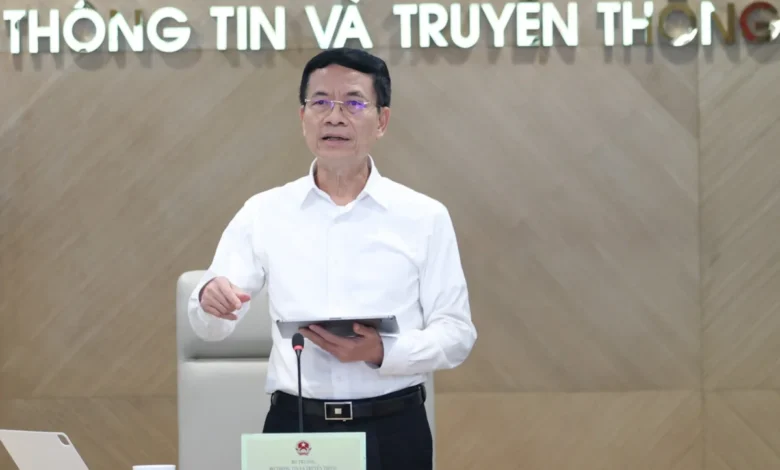
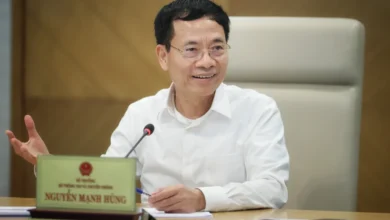
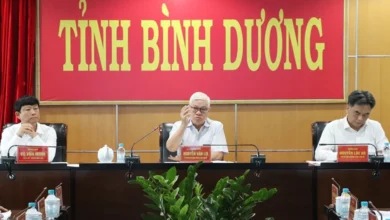
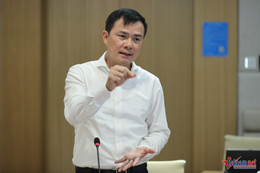
The telecommunications and technology landscape in Vietnam is undergoing a profound structural shift, marked by strategic guidance from top government regulators aimed at propelling national enterprises onto the global stage. On the afternoon of October 18, Minister of Information and Communications Nguyen Manh Hung chaired a critical working session with the leadership and key personnel of the Military Industry-Telecoms Group (Viettel). The high-level meeting was also attended by Deputy Ministers Phan Tam, Pham Duc Long, and Bui Hoang Phuong, alongside heads of various departments under the Ministry of Information and Communications (MIC).
The central thesis of the discussions centered on a paradigm shift for Viettel: transitioning from regional telecom dominance to addressing monumental national and global challenges through international collaboration and cutting-edge innovation. As Vietnam’s leading state-owned technology and telecommunications corporation, Viettel has reached a historic juncture where its operational scope must transcend conventional commercial boundaries to serve as the vanguard of the nation’s digital economy.
Strategic Imperatives: Redefining Viettel’s National Role
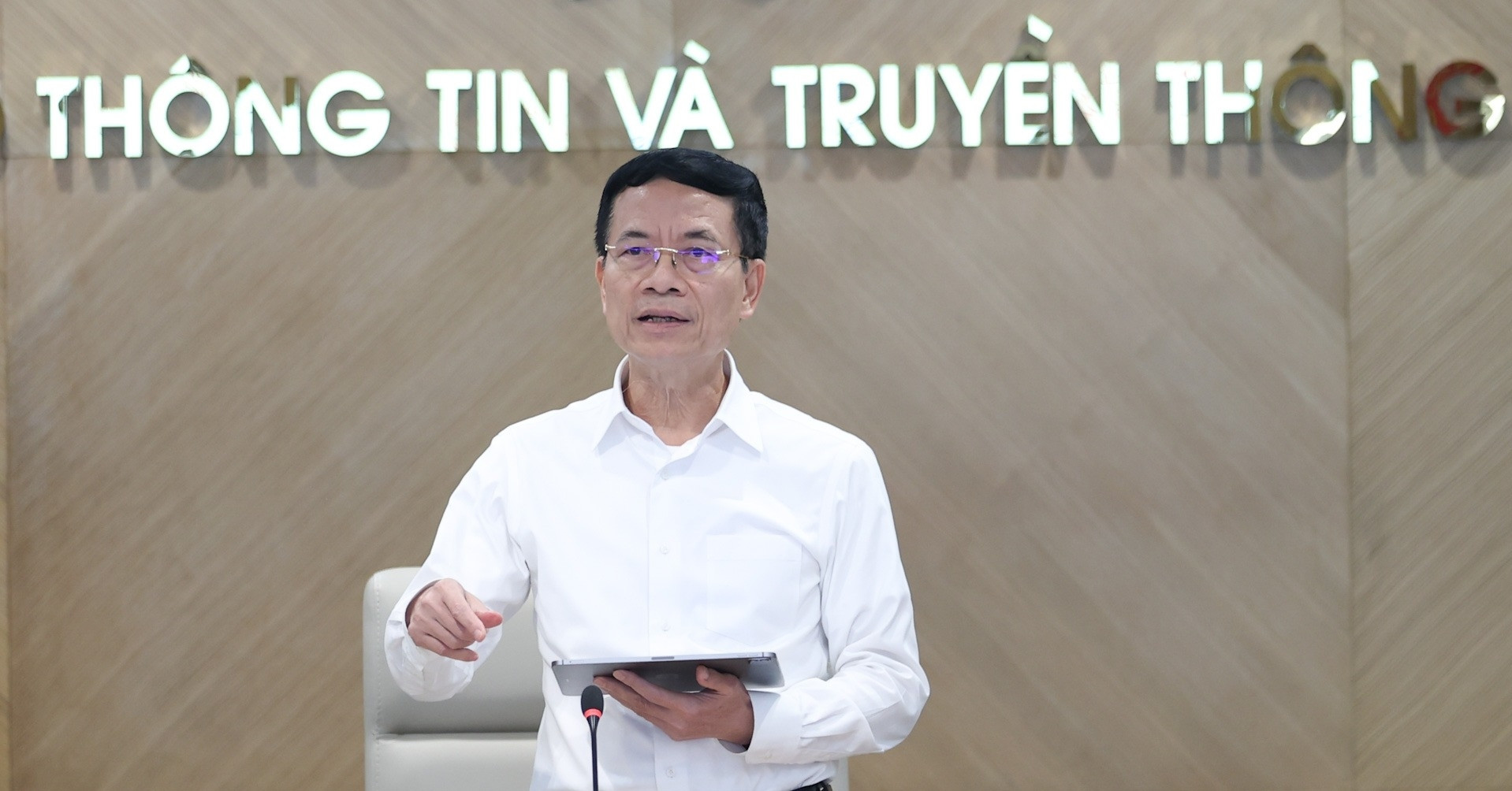
During the briefing, Minister Nguyen Manh Hung underscored that digital transformation is the definitive pathway for Vietnam’s socio-economic advancement. Highlighting the critical role of the nation’s three major state-owned telecom operators, the Minister asserted that if these enterprises fail to innovate and grow, the broader information and communications sector will stall, ultimately jeopardizing the nation’s ambitious centennial development goals.
Since mid-September, the MIC has conducted a series of strategic working sessions with key leadership teams from VNPT, MobiFone, and Viettel. These engagements are designed to dismantle operational bottlenecks, align corporate trajectories with national priorities, and foster an environment of aggressive innovation. For Viettel, which has spent three distinct ten-year cycles leading the fields of construction, telecommunications, and industrial technology, the current era demands an evolution into the next technological frontier.
"The objective of the current leadership generation is to surpass the preceding generation," Minister Hung stated, emphasizing that Viettel must now shoulder the responsibility of national guidance and technological sovereignty. Drawing inspiration from recent insights shared by top national leaders regarding digital transformation, the Minister outlined a series of rigorous benchmarks for the corporation.
Viettel has been tasked with aiming for a position among the top 30 to 40 global technology corporations. To achieve this, the group must significantly increase its investment ratio in digital infrastructure and core technology research. Furthermore, personnel dynamics within the organization must reflect this modernizing agenda: staff dedicated to digital transformation, science, technology, and innovation must account for at least 50% of the workforce in technology-focused units and 30% in non-technology units.
Embracing Global Scale and Internal Digital Maturity
A cornerstone of the MIC’s directive is the adoption of global problem-solving methodologies. By seeking out complex, large-scale challenges and resolving them through international partnerships with developed nations, Viettel can effectively harness global resources. This approach mirrors lessons drawn from international benchmarks, such as Finland’s philosophy of leveraging advanced ecosystems to drive domestic prosperity.
Parallel to its external ambitions, Viettel has been instructed to accelerate its internal digital transformation. This involves embedding digital technologies into every facet of the corporation’s daily operations, with a mandatory emphasis on leading the application of artificial intelligence (AI). To unleash internal productivity and drive massive growth, Viettel must reform its internal operational mechanisms—ranging from remuneration structures and decentralized decision-making to performance evaluations and employee monitoring.
Furthermore, the corporation faces a structural mandate to diversify its revenue and profit models. To ensure long-term, sustainable growth, Viettel must systematically reduce the proportion of revenue generated from traditional telecommunications to below 30%. Concurrently, the group is expected to master core infrastructural technologies, including 5G, semiconductor chip manufacturing, artificial intelligence, and cloud computing.
"If Viettel leads, it must set the objective of mastering these technologies. Without high targets, the machinery will stagnate," Minister Hung cautioned.
Operational Reports and Ministerial Solutions
During the meeting, Tao Duc Thang, Chairman and General Director of Viettel, presented a comprehensive report detailing the corporation’s business and production results for the first nine months of the year, alongside strategic tasks for the fourth quarter of 2024. Mr. Thang outlined several pressing challenges facing the group and submitted key recommendations to the MIC.

Among the primary proposals were the expeditious organization of spectrum auctions for the 700MHz frequency band—crucial for expanding broadband coverage to remote and rural areas—and advising the government on a comprehensive strategy for deploying direct-to-cell satellite internet services in Vietnam. Viettel also sought ministerial assistance in resolving logistical hurdles associated with deploying new Base Transceiver Station (BTS) masts near residential areas, where public resistance and environmental concerns often impede infrastructure expansion. Additionally, the corporation requested regulatory guidance to overcome obstacles in the domestic development of submarine fiber-optic cables.
In response to these concerns, Minister Hung and the attending Deputy Ministers provided immediate clarifications and assigned specific tasks to various MIC departments to support Viettel. Notably, the Telecommunications Department and the Radio Frequency Department were directed to fast-track preparations so that the auction of the low-frequency 700MHz spectrum can proceed by January 2025.
Regarding the challenges of installing BTS masts in urban centers—exemplified by approximately 200 disputed locations in Hanoi—the MIC committed to intervening directly with local authorities to formulate viable deployment solutions. The ministry also indicated plans to enlist the support of law enforcement agencies to safeguard critical digital infrastructure development.
Fostering a Collaborative Digital Ecosystem
Addressing queries regarding the balance between corporate-wide objectives and unit-level autonomy, Minister Hung explained that a major enterprise must maintain a unified strategic vision while allowing individual business units the flexibility to innovate. By grounding corporate culture in advanced technology that prioritizes human development, Viettel can maintain its multi-industry conglomerate structure without losing operational agility.
The MIC reiterated its unwavering support for domestic technology enterprises, viewing them as integral members of a single ICT family. "The Ministry always considers enterprises in the sector as family members within the ICT ecosystem and constantly wishes for their development. Enterprises are the servicing objects of the Ministry; the busier the enterprises keep the Ministry, the more the Ministry will develop," Minister Hung affirmed.
As Viettel prepares to enter this new chapter of its corporate evolution, the leadership and operational framework of the group are being steered toward a singular vision: technological self-reliance, national leadership, and an unyielding commitment to establishing Vietnam as a prominent hub in the global digital economy. Through strategic investments in 5G, semiconductor manufacturing, and AI, Viettel is positioning itself not merely as a domestic telecom provider, but as a globally competitive technology powerhouse capable of solving complex challenges on an international scale.