Truck driver fails to lower cargo bed causing collapse of gantry on HCMC-Long Thanh-Dau Giay Expressway and triggering criminal investigation


On September 24, a significant infrastructure incident occurred on the Ho Chi Minh City-Long Thanh-Dau Giay Expressway, resulting in the structural collapse of a highway gantry. The incident, which took place at approximately 1:10 PM at milestone Km 00+720 in Binh Trung Ward, Ho Chi Minh City, has prompted a formal criminal investigation due to the scale of property damage and the potential threat posed to public safety.
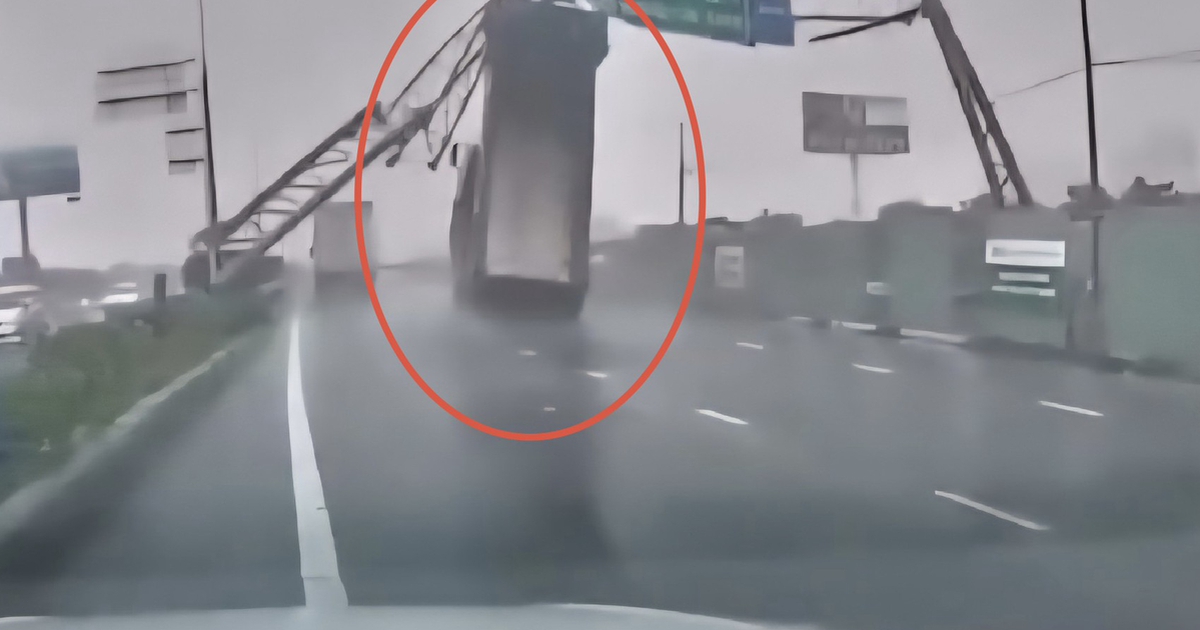
The accident involved a dump truck, bearing license plate 50E – 317.xx, operated by a 31-year-old driver identified as L.Y.T. The vehicle was traveling from the Mai Chi Tho thoroughfare toward the My Thuy intersection when the collision occurred. Preliminary findings from the Traffic Police Department indicate that the driver failed to lower the truck’s cargo bed before entering the expressway. As the vehicle moved through the designated zone, the elevated bed struck a gantry mounted with traffic signage. The force of the impact was sufficient to completely collapse the steel structure, which then crashed into safety fencing and construction barriers belonging to a project aimed at widening the connection to the expressway.
Chronology of the Incident
The incident unfolded in a matter of seconds but has left a lasting impact on local traffic management and infrastructure safety protocols.
- 1:10 PM, September 24: The dump truck, driven by L.Y.T., traveled along the expressway route with its cargo bed in an upright, open position.
- 1:12 PM: The vehicle reached the gantry at Km 00+720. The rear end of the raised bed collided with the overhead steel frame. The kinetic energy transfer caused the entire gantry structure to buckle and collapse onto the roadside, destroying approximately 63 meters of protective construction fencing.
- 1:30 PM – 3:00 PM: Local Traffic Police from the Cat Lai station, in coordination with the Binh Trung Ward Police, arrived at the scene. Initial site inspections were conducted, including the systematic collection of debris and the securing of physical evidence.
- Late Afternoon, September 24: Authorities initiated a thorough review of surveillance footage from traffic cameras located along the route to establish the precise sequence of events and identify any contributing factors, such as mechanical failure or driver negligence.
- September 25: Following a preliminary assessment, the Traffic Police Department confirmed that the damage exceeded the 100 million VND threshold, triggering an automatic escalation of the case to the Criminal Investigation Department of the Ho Chi Minh City Police.
Technical Analysis and Property Damage
The collapse of the gantry represents a significant financial and logistical loss. The gantry was part of a critical infrastructure corridor designed to provide essential navigation information to thousands of daily commuters. Beyond the physical loss of the gantry itself, the incident caused extensive damage to the construction site fencing for the ongoing expressway expansion project.
Engineers and safety experts suggest that the structural integrity of the gantry was likely compromised by the sheer force of a heavy-duty dump truck hitting it at speed. While the incident resulted in no human casualties—a fortunate outcome given the high volume of traffic typically found on this route—the economic implications are substantial. The total cost of repairs, including the replacement of the signage, the reconstruction of the gantry, and the restoration of the damaged safety barriers, is expected to be finalized during the investigative phase.
Official Response and Legal Implications
The decision to transfer the case to the Criminal Investigation Department signifies the severity with which the authorities are treating the matter. In Vietnam, property damage exceeding 100 million VND (approximately $4,000 USD) often mandates a deeper inquiry to determine if the act constitutes a criminal offense under the penal code, specifically regarding "the violation of regulations on road traffic operations."
The Traffic Police Department of Ho Chi Minh City has emphasized that this is not merely an accident but a clear case of negligence. By failing to ensure that the vehicle’s cargo bed was lowered, the driver demonstrated a lapse in standard operating procedures that placed other motorists at extreme risk. The investigation will now focus on whether the driver’s actions were the result of simple forgetfulness, mechanical failure of the hydraulic system, or a disregard for safety protocols that were supposed to be observed before departing the site.
Broader Impact on Highway Safety
This incident has served as a catalyst for a renewed dialogue regarding heavy-vehicle safety on Vietnam’s expressways. The HCMC-Long Thanh-Dau Giay Expressway is a major artery for logistics and commercial transit. Incidents of this nature highlight a critical vulnerability in infrastructure safety, where a single moment of inattention can lead to catastrophic damage.
The Traffic Police have issued a stern advisory to all heavy-vehicle operators. The warning centers on the absolute necessity of performing pre-departure checks. These checks include, but are not limited to, the status of the hydraulic lifting system, braking systems, tire pressure, and lighting. The authorities underscored that "short-cuts" or "perfunctory inspections" are unacceptable when operating large machinery in public spaces.

"The safety of our transport network depends on the collective responsibility of all drivers," a spokesperson for the local Traffic Police noted. "When a driver ignores the fundamental requirements of their vehicle, they are not only endangering themselves but also the lives of every other person on the road."
The Future of Road Safety Enforcement
Moving forward, the Ho Chi Minh City Police are expected to implement more rigorous monitoring of commercial vehicles entering major expressways. There is a growing demand for the installation of automated height-sensing technology that could alert drivers—or even trigger automatic engine cut-offs—when a vehicle enters a zone with its cargo bed in an unsafe position.
The legal proceedings against the driver, L.Y.T., will proceed through the court system once the police investigation concludes. The outcome will likely serve as a benchmark for how similar cases are handled in the future. As urban development continues to expand the reach of expressways across the country, the intersection of rapid infrastructure growth and the regulation of heavy-duty transport will remain a primary focus for public safety officials.
Ultimately, while the financial costs associated with the gantry collapse are high, the incident serves as a stark reminder of the fragile balance between commercial efficiency and public safety. As investigations continue, the public awaits a final report that will not only address the specific legal consequences for the driver involved but also offer recommendations for preventing such preventable infrastructure failures in the future. The incident serves as a call to action for transport companies to enforce stricter internal safety audits, ensuring that every driver understands that the road is a shared environment where adherence to protocol is the primary safeguard against tragedy.