Alexandr Wang, the visionary AI leader and founder of Scale AI who now heads Meta’s ambitious artificial intelligence division, has recently captured the attention of the global tech community not through traditional press releases, but through a high-frequency, unconventional social media campaign. Over the course of just three weeks, Wang has authored more than 350 posts on the X platform, primarily focusing on the debut of "Muse," a new personal AI assistant that Meta positions as its flagship answer to the dominance of competitors like OpenAI’s ChatGPT. This relentless digital barrage represents a radical departure from the typically sterile, corporate-led product launches synonymous with Silicon Valley giants.
A Strategic Pivot in Meta’s AI Ambitions
Just one year ago, Meta found itself in a defensive position, struggling to convince the tech industry and its investors that it could remain relevant in the rapidly accelerating artificial intelligence race. Despite significant capital investment—reportedly in the tens of billions of dollars—the company was viewed by many as a laggard in the development of sophisticated large language models. The introduction of Muse on September 8th marked a pivotal turning point for the social media conglomerate.
Muse is designed as an all-encompassing personal agent capable of executing complex, multi-step tasks. Its utility spans a broad spectrum, including booking travel, managing professional calendars, facilitating online shopping, drafting sensitive communications, and orchestrating complex digital workflows across platforms like Spotify, Instagram, and OpenTable. Within its first week of availability on the U.S. App Store, the application ascended to the top of the free utility rankings, surpassing established leaders and earning favorable reviews from both power users and casual technology enthusiasts.
Chronology of the Digital Blitz
The methodology behind the Muse rollout is as notable as the product itself. Within five days of the launch, Alexandr Wang had already published over 100 posts on X, with each individual update garnering tens of thousands of views. By September 27th, the total count exceeded 350. This surge was not merely a quantitative feat; it was a carefully curated narrative.
- September 8: Official launch of Muse on the App Store.
- September 9-15: Initial wave of posts highlighting user testimonials and technical capabilities.
- September 22: Meta reports Muse has outperformed ChatGPT in daily active users within specific North American markets.
- September 24: Wang initiates the "Muse Meme" phase, integrating the AI’s mascot into cultural and historical imagery.
- September 27: The campaign concludes its initial three-week sprint, cementing Muse as a viral fixture in the tech discourse.
The Humanization of Artificial Intelligence
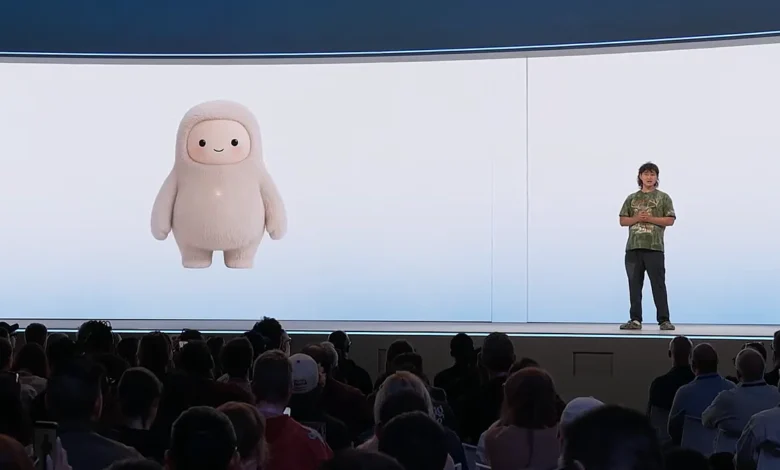
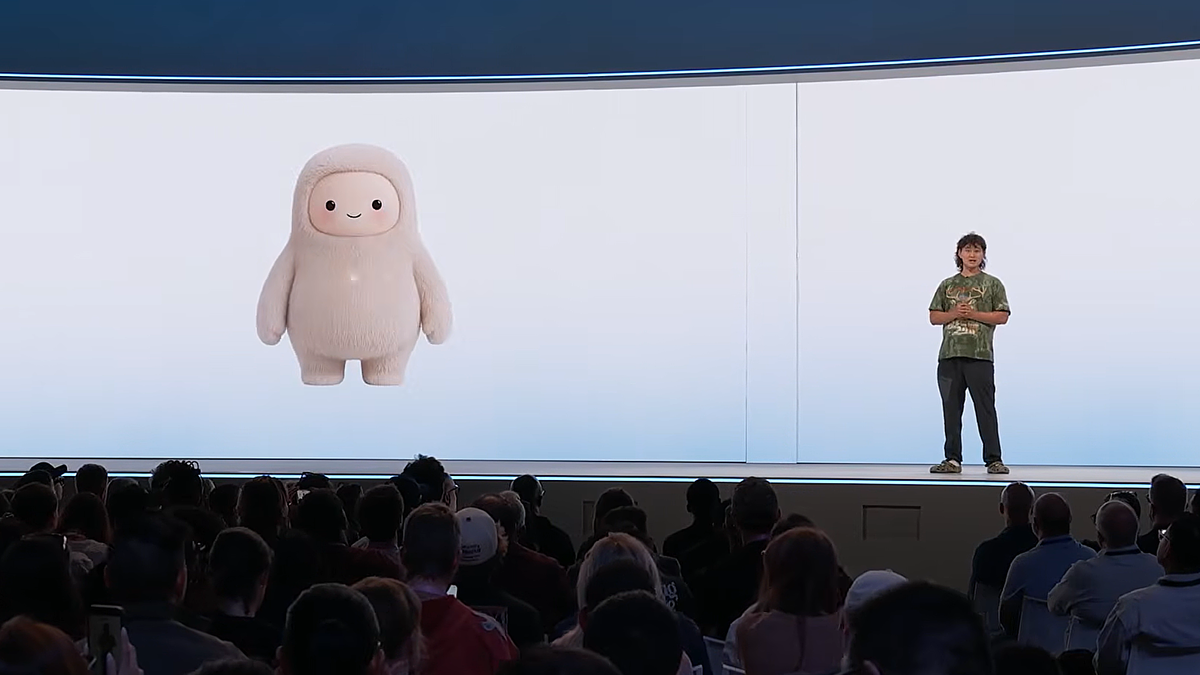
Central to this campaign is the "Muse" mascot, a digital entity with human-like features. Wang has consistently used this character to bridge the gap between abstract AI architecture and relatable, everyday interaction. By placing the mascot in various high-profile situations—such as a photo edit of an astronaut on the moon—Wang has successfully leveraged the power of internet "memes" to drive brand recognition.
This strategy serves a dual purpose: it bypasses the traditional, often dry, corporate marketing language that typically fails to resonate with a younger, digital-native demographic, and it creates a sense of personality around an otherwise cold piece of software. Industry analysts suggest that this "meme-ification" of a product is a deliberate tactic to strip away the corporate jargon that often alienates potential users. Nick Braund, founder of the communications firm Words+Pixels, noted that Wang is attempting to anchor Muse in internet culture while consciously avoiding the standard "corporate speak" favored by legacy competitors.
Market Positioning and Competitive Landscape
Meta’s aggressive promotion of Muse arrives at a time when the "AI race" has moved beyond mere capability to market penetration. By highlighting the platform’s integration with essential services like Instacart, Shopify, and PayPal, Meta is positioning Muse not just as a chatbot, but as an essential utility for modern life.
Wang has been vocal about his strategy, explicitly stating that "Muse is the first AI for the skeptics of artificial intelligence." By showcasing real-world use cases—such as saving users money on recurring subscriptions or automating time-consuming logistics—he has sought to prove the tangible value of the tool. Furthermore, his direct jabs at competitors, particularly when he claimed that "Muse completely overwhelms Instinct," referring to the personal AI model favored by prominent Silicon Valley venture capitalists, signaled a new, more combative era for Meta’s external communications.
The Architect: Alexandr Wang’s Unprecedented Rise
The intensity of this rollout is reflective of the man behind the project. Alexandr Wang, who founded the data-labeling powerhouse Scale AI in 2016 at the age of 19, has long been a subject of fascination in the Valley. His trajectory reached new heights when Mark Zuckerberg reportedly invested $14.3 billion to acquire a 49% stake in Scale AI last year. While the official justification for the deal was data partnership, many industry observers viewed it as a strategic "talent acquisition," intended to bring Wang into the fold to lead Meta’s long-term AI strategy.
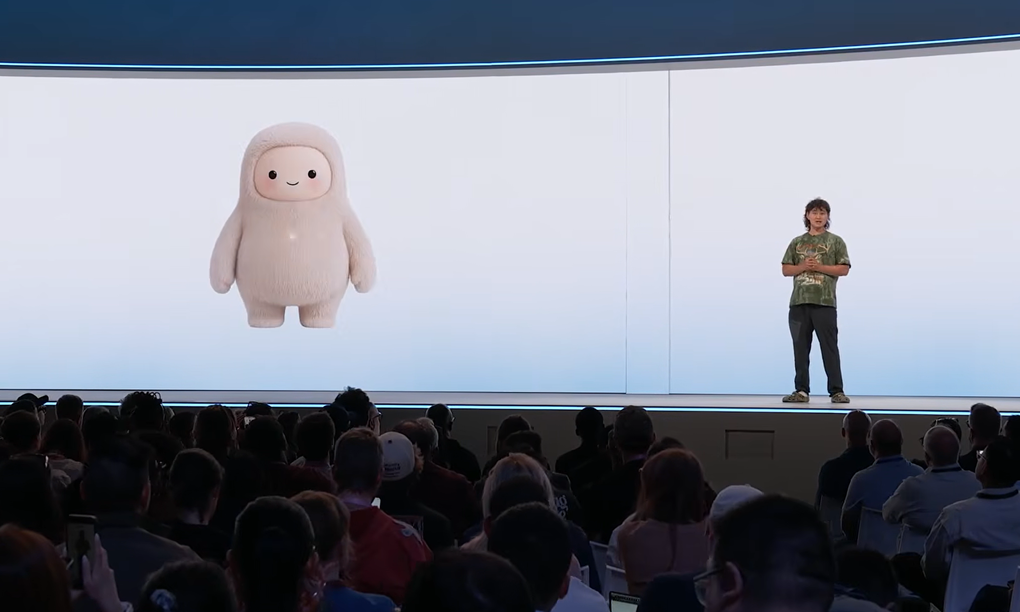
The Verge has described this move as akin to a professional sports team acquiring a superstar athlete. Wang’s current net worth is estimated by Forbes to be in the neighborhood of $3.2 billion, and his recent public appearances—often marked by high-fashion choices—have only added to his "cult of personality" status. By controlling the narrative on social media himself, rather than relying on a press team, Wang is effectively utilizing his personal brand to amplify the reach of Meta’s product.
Analysis of Implications
The success—or failure—of this marketing strategy will have long-term implications for how tech giants launch products. If Muse continues to gain market share, it could validate the "influencer-CEO" model of product promotion, where the founder’s personal voice acts as the primary conduit for company news.
However, there are risks associated with this approach. Relying on a single individual to sustain momentum can lead to brand volatility. If the product encounters technical failures or ethical controversies, the "face" of the product is immediately exposed to the backlash. Furthermore, the reliance on internet memes may limit the appeal of the product to older, more conservative enterprise users who prioritize stability and professionalism over cultural resonance.
Nevertheless, as of late September, the data points to a resounding success for the initial phase. By blending high-stakes engineering with low-stakes social media interaction, Alexandr Wang has successfully moved Meta from a position of defensive catch-up to an aggressive market contender. Whether this momentum can be sustained as the product matures remains to be seen, but for now, Muse has effectively captured the digital zeitgeist. As one observer on X aptly noted, the entire three-week campaign was "a wild ride of engagement," setting a new standard for how AI products are introduced in an increasingly noisy digital ecosystem.