The Triumphant Return of Vietnam Blue Berets: Level 2 Field Hospital Deployment Concludes in South Sudan

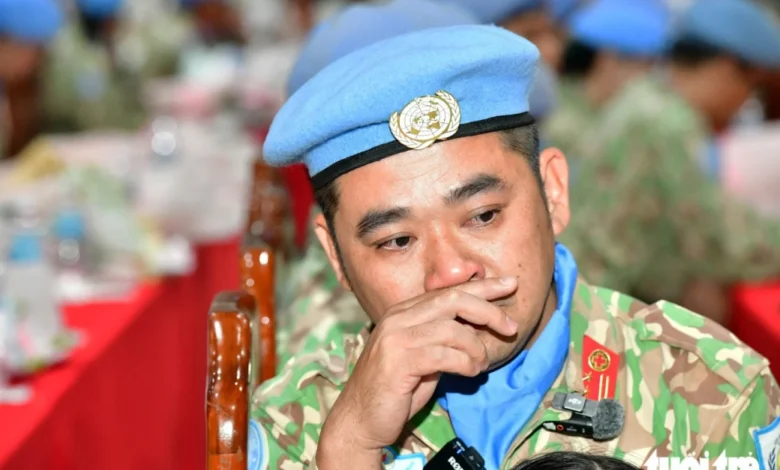
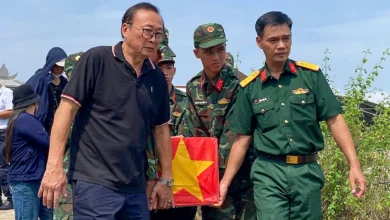
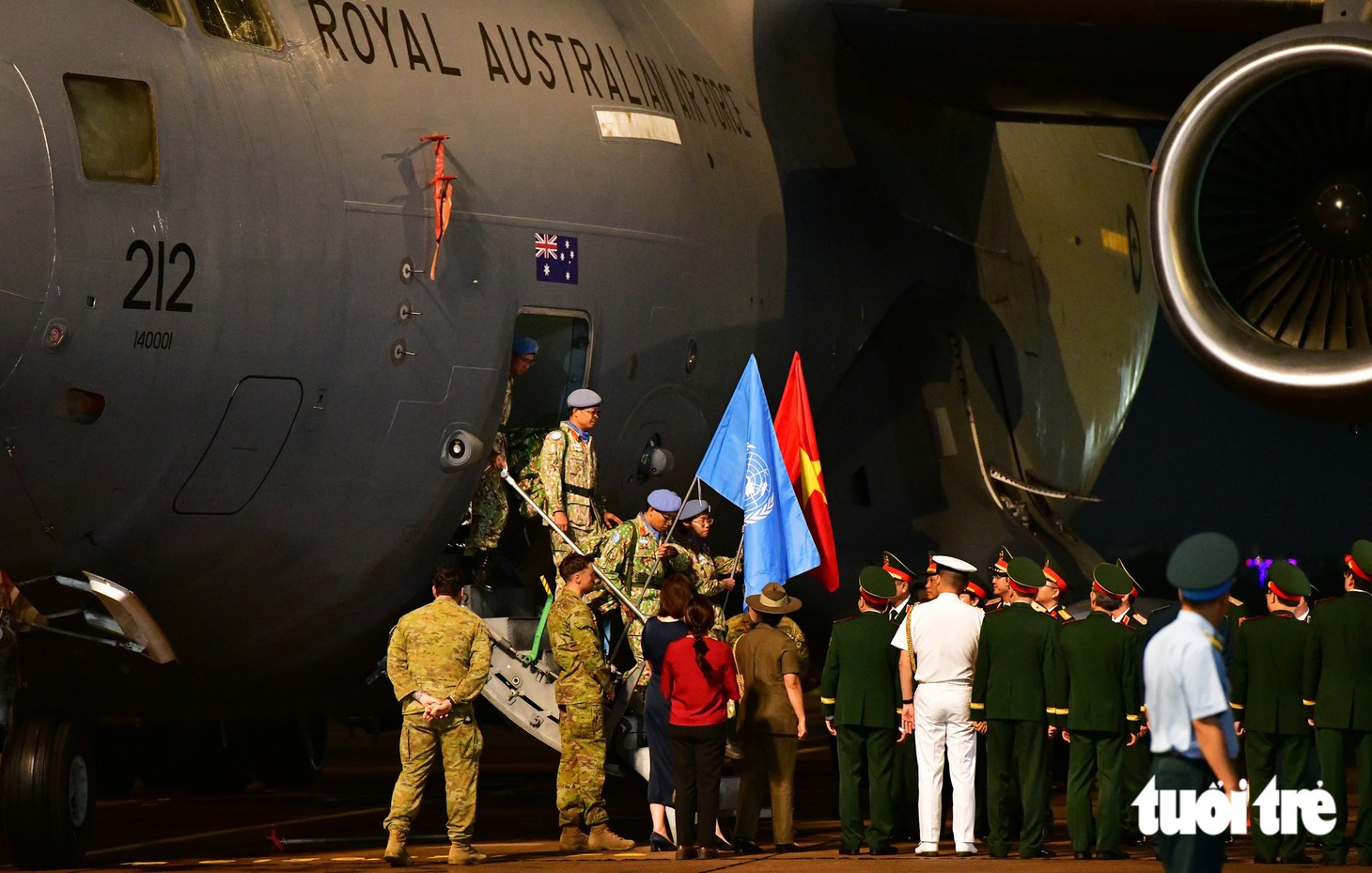
The atmosphere at the air terminal was a poignant blend of solemn pride and overwhelming joy as family members, military officials, and well-wishers gathered to welcome home the contingent of Vietnamese "blue berets." These medical professionals, serving as the United Nations Level 2 Field Hospital Rotation 7, returned from their demanding mission in Bentiu, South Sudan. The homecoming marked the successful conclusion of a year-long international humanitarian assignment characterized by resilience, professional excellence, and deep cultural diplomacy under challenging geopolitical and environmental conditions.
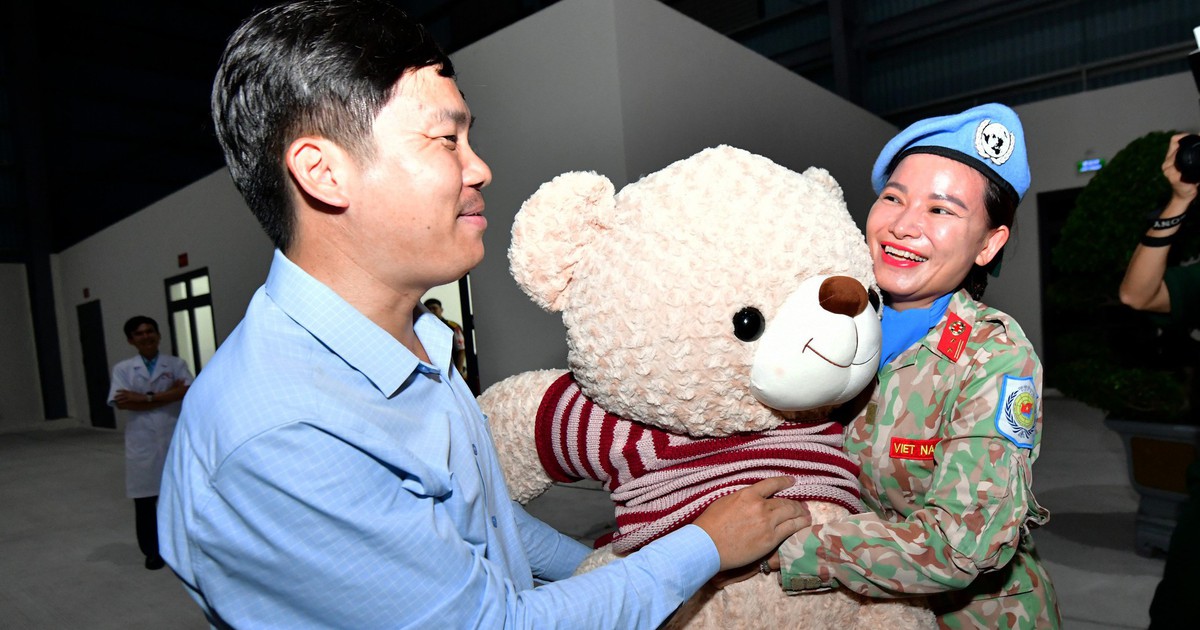
A Hero’s Welcome Back to the Fatherland
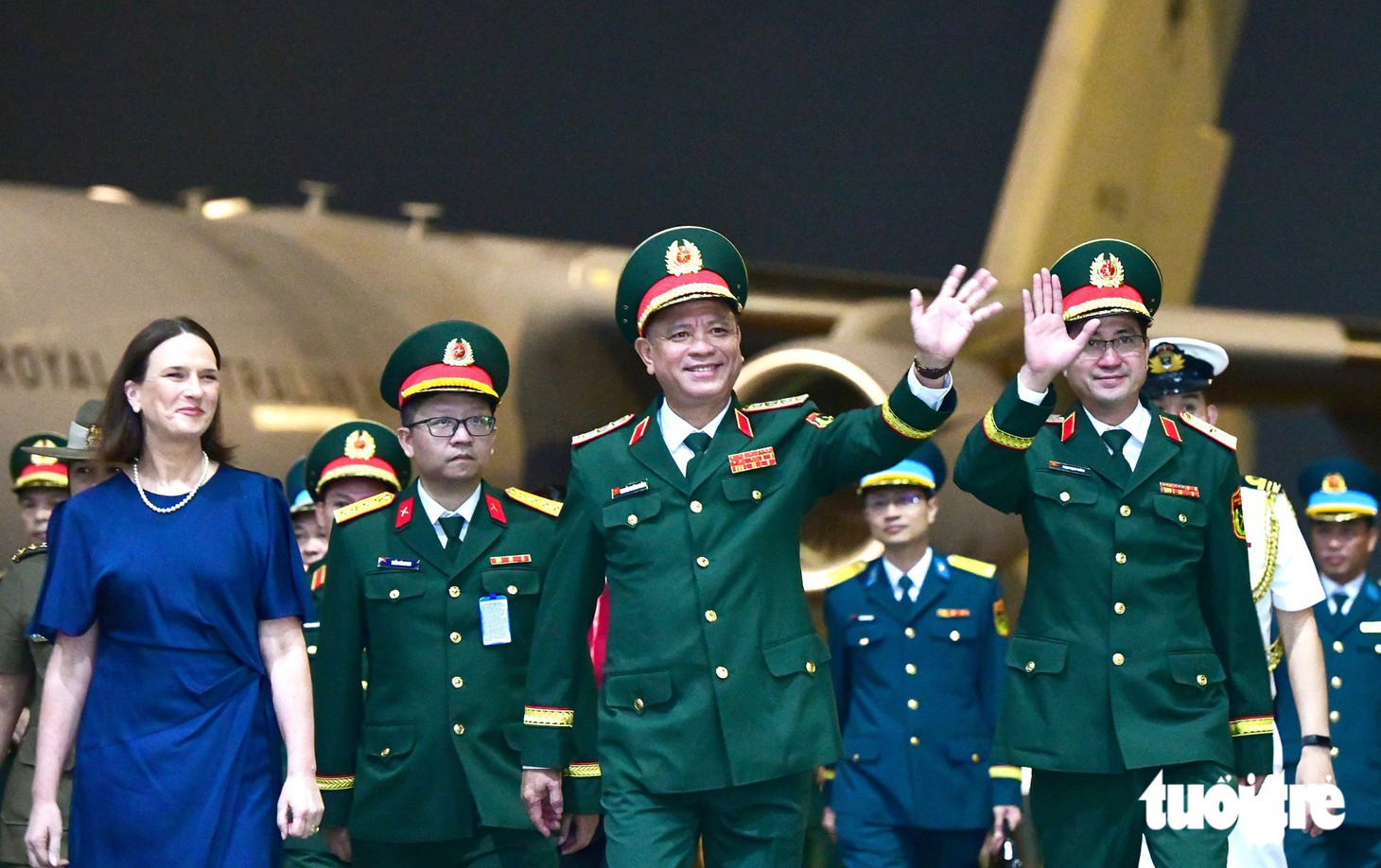
The welcoming ceremony reflected the profound significance of Vietnam’s growing contributions to global peace and security. High-ranking officials present at the reception included Lieutenant General Nguyen Truong Thang, member of the Central Committee of the Communist Party of Vietnam, member of the Central Military Commission, and Deputy Minister of National Defense. They were joined by Major General Pham Manh Thang, Director of the Vietnam Department of Peacekeeping Operations, alongside representatives from the Ministry of National Defense, Military Hospital 175, and local authorities.
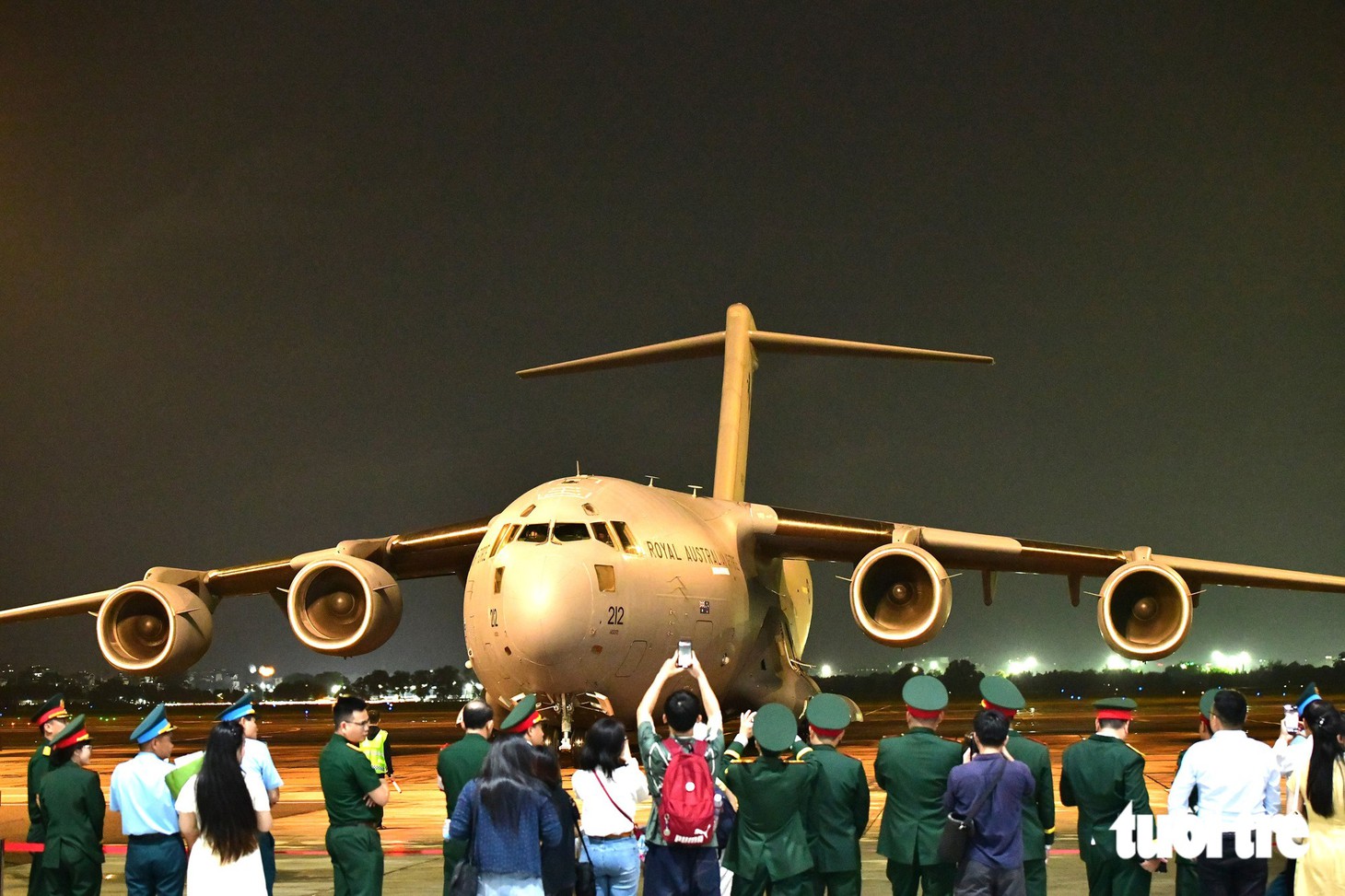
As the military transport aircraft touched down, the emotional weight of the past twelve months poured out. For Major Phan Le Nhat, stepping onto Vietnamese soil brought an uncontrollable wave of tears. Witnessing the extreme hardships, resource scarcity, and systemic challenges faced by the population of South Sudan deepened his appreciation for his homeland—a nation that, having endured its own historical struggles with loss and conflict, now stands as a beacon of stability and international cooperation.
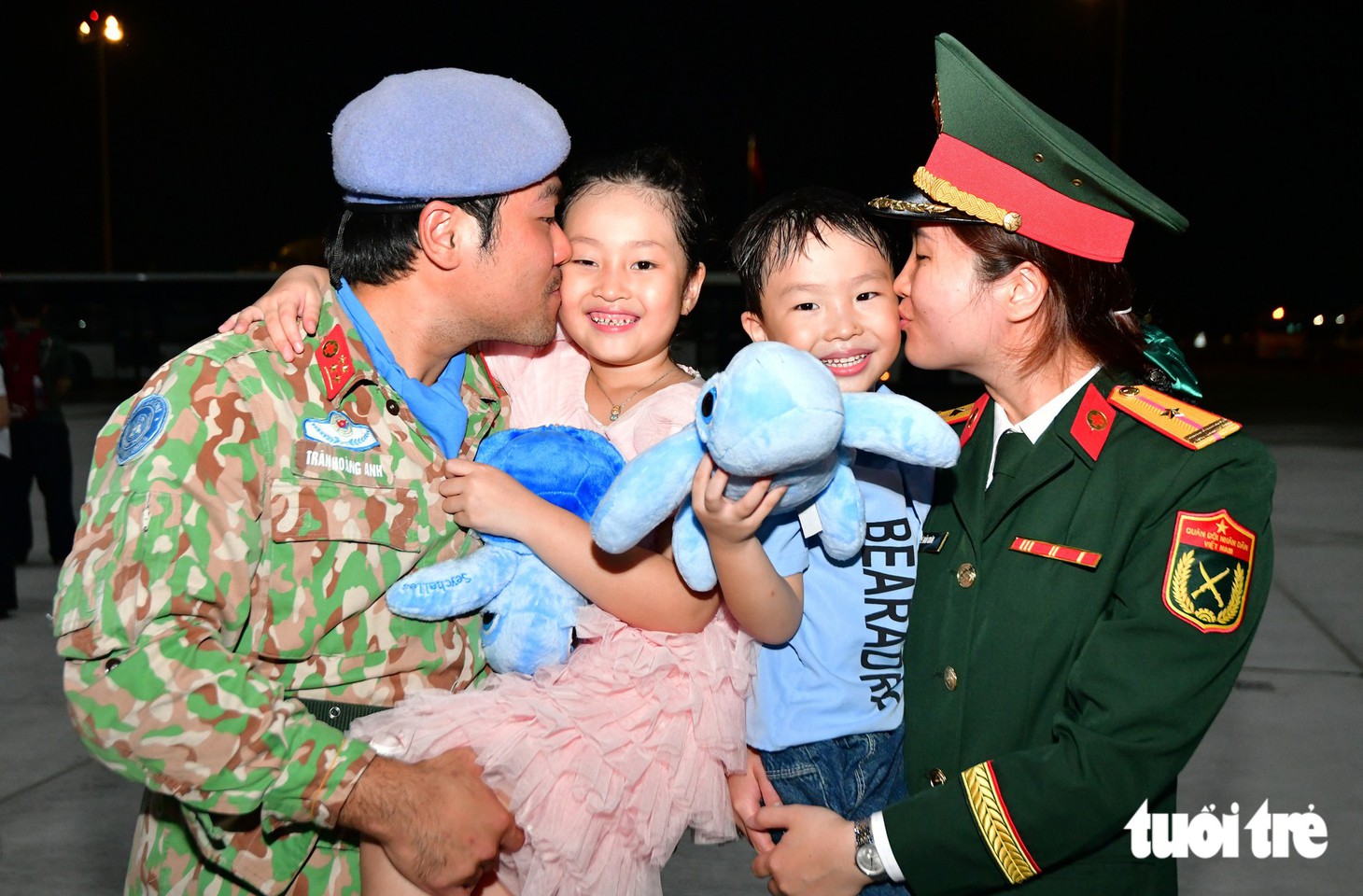
Nearby, holding a bouquet of flowers tightly, Ms. Pham Thi Thuy stood with her two children, their eyes fixed on the exit door. They had not seen her husband, Lieutenant Colonel Tran Quang Thang, for an entire year. When the familiar silhouette of a military officer wearing field fatigues and the iconic blue beret emerged, Ms. Thuy rushed forward to embrace him, tears streaming down her face.
"For the past twelve months, our family could only see him through unstable, pixelated video calls," Ms. Thuy shared, her voice trembling with emotion. "Today, seeing him standing here, the realization that he has returned safely finally feels real."
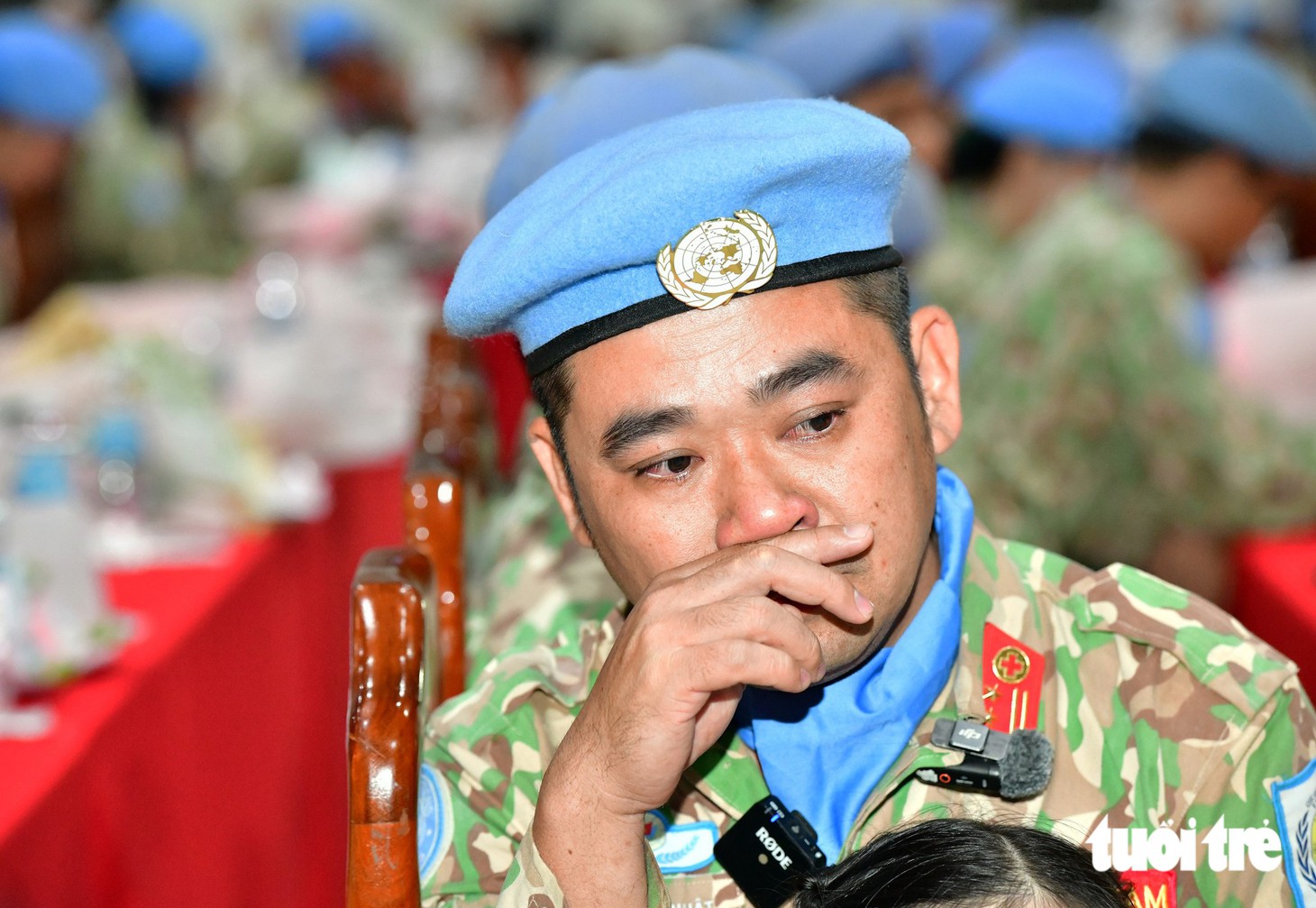
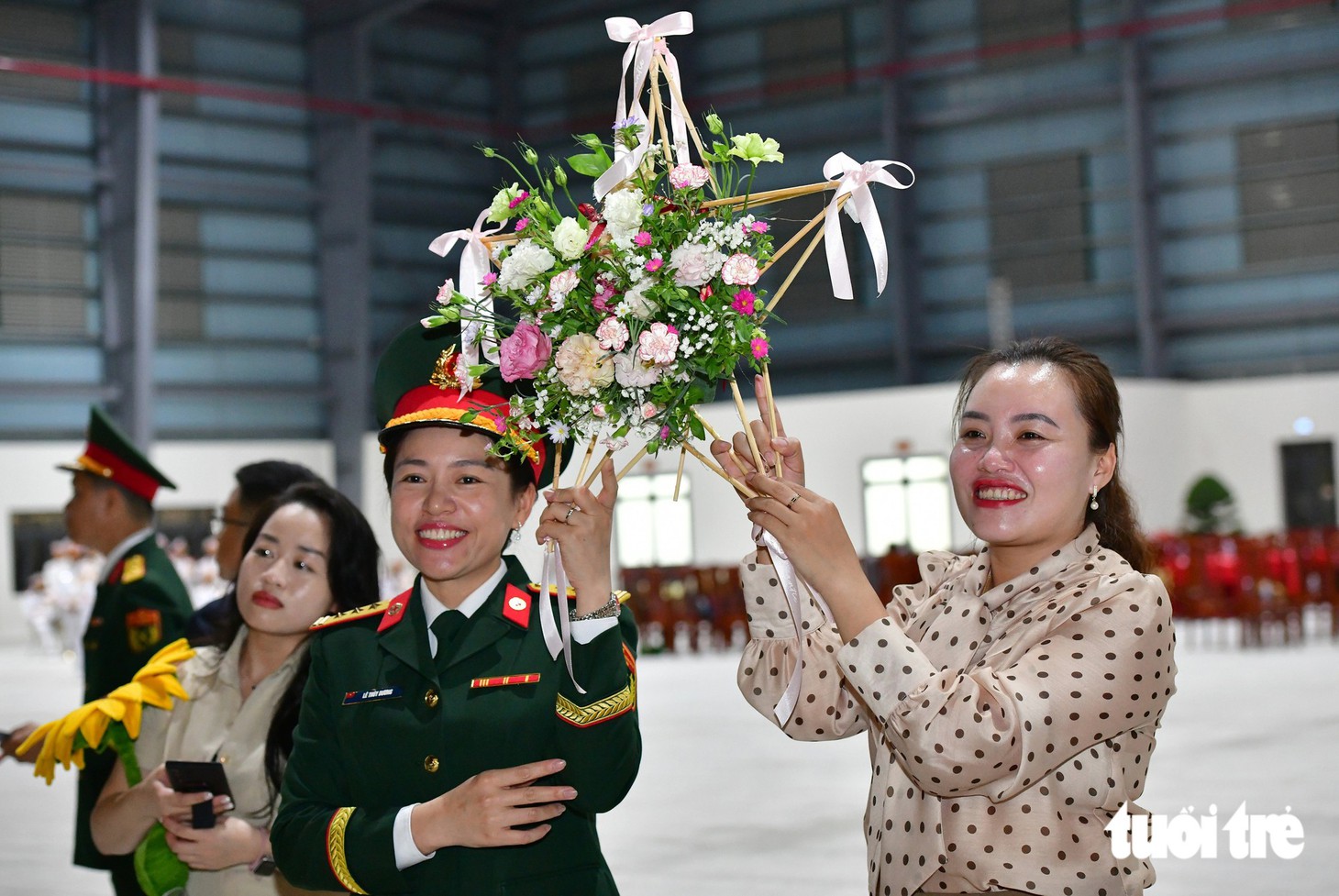
Similar scenes of joyous reunion played out across the tarmac. Children cheered as their mothers and fathers stepped down from the aircraft, creating an unbreakable bond of shared relief between military duty and familial devotion.
Fulfilling International Obligations in Harsh Terrains
The deployment of Vietnam’s Level 2 Field Hospital Rotation 7 in Bentiu, South Sudan, was far from routine. Operating in a region plagued by severe weather extremes, complex disease outbreaks, and severe infrastructural deficiencies, the medical staff faced monumental hurdles. Despite these challenges, the hospital successfully provided medical examinations and treatments for thousands of patients, including United Nations personnel and local civilians.
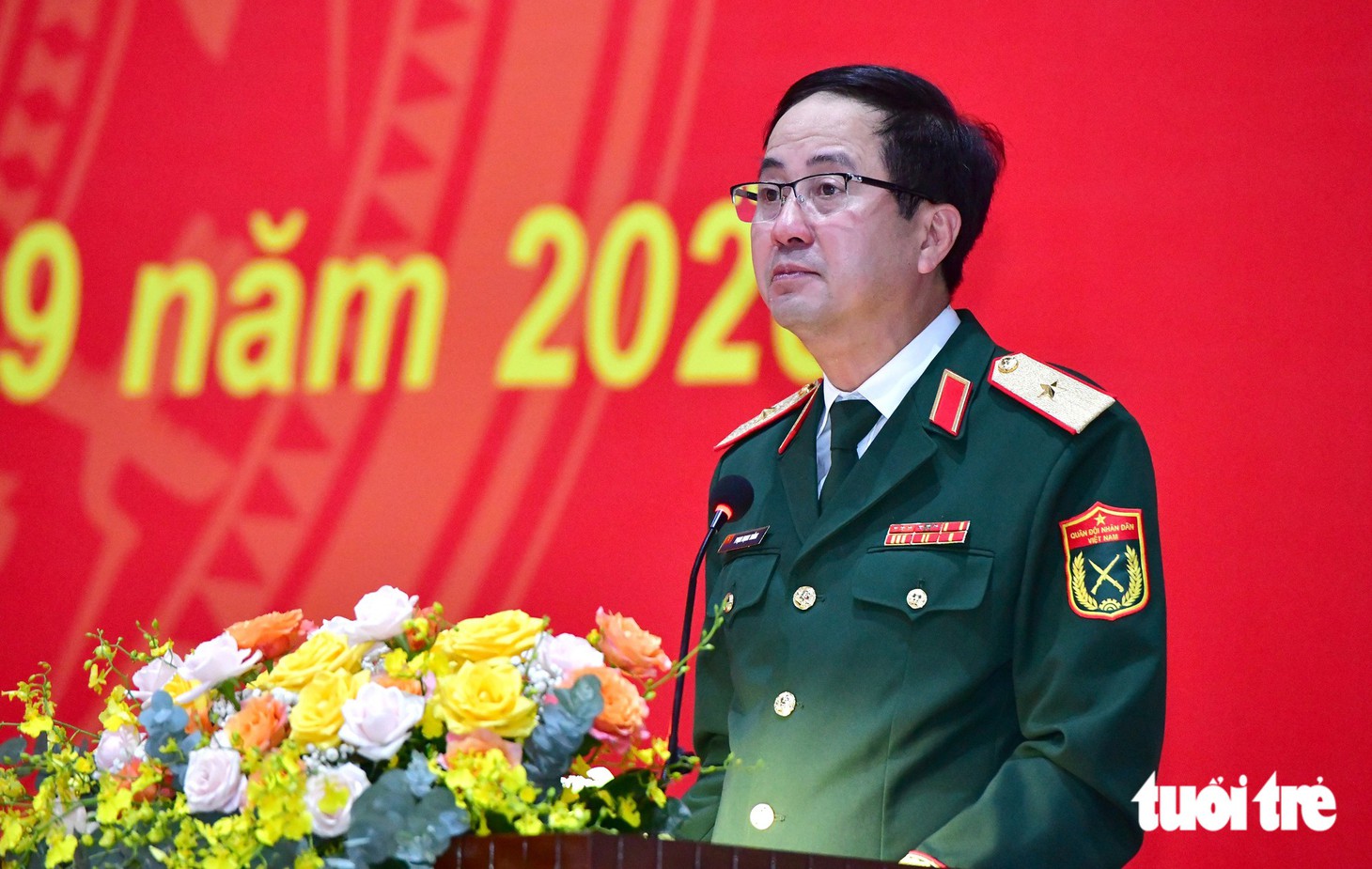
Major General Pham Manh Thang commended the unit for its exemplary performance, noting the exceptional obstacles managed by the team. "Level 2 Field Hospital Rotation 7 received special authorization from the United Nations Department of Operational Support and the UN Chief Medical Officer to retain patients for extended treatments, particularly for complex medical cases that would typically require higher-level medical evacuation," he stated. "The leadership and staff proactively established robust epidemic prevention plans and executed them with remarkable efficiency."
The unit received widespread international acclaim for its professional competence, unwavering dedication, and meticulous care. Patients and international colleagues alike praised the Vietnamese medical staff not only for their clinical acumen but also for their profound empathy and cross-cultural communication.
Speaking on behalf of the Central Military Commission and the Ministry of National Defense, leadership extended warm congratulations to the officers and staff. "You have successfully completed a high-level international mission, returning safely within the loving embrace of the Fatherland and your families," leadership noted.
Beyond Medicine: Cultivating Peace and Community Engagement
The mandate of the Vietnamese blue berets extended far beyond the clinical wards of the field hospital. Throughout their mission, the medical personnel actively engaged in civil-military cooperation (CIMIC) initiatives aimed at improving the daily lives of vulnerable communities in South Sudan.
Recognizing the severe lack of agricultural resources, the contingent successfully initiated and maintained vegetable gardens, ensuring a sustainable supply of fresh produce despite the arid environment. They also established systems to provide clean drinking water and organized educational programs for impoverished children in Bentiu. These grassroots initiatives left a lasting, positive impression of Vietnam’s cultural values—emphasizing compassion, solidarity, and a steadfast commitment to peace.
Lieutenant Colonel Tran Duc Tai, Director of Level 2 Field Hospital Rotation 7, expressed deep emotion upon his arrival. "Wearing the blue peace beret of the United Nations, carrying the national flag of Vietnam, and executing this international mission is both an immense honor and a profound responsibility for every member of Rotation 7," he reflected. "We always understood that completing our mission meant more than demonstrating the operational capacity of a Vietnamese military medical unit; it meant fulfilling Vietnam’s broader responsibilities toward UN peacekeeping operations and radiating the image of our country and people on the global stage."
Background and Context of Vietnam’s Peacekeeping Journey
Vietnam’s participation in United Nations peacekeeping operations began in earnest in 2014, marking a historic milestone in the country’s defense diplomacy. Transitioning from a recipient of international aid to a net contributor to global security, Vietnam has progressively expanded its footprint. The deployment of Level 2 field hospitals represents a vital component of this strategy, showcasing the country’s advanced medical capabilities within multinational environments.
The deployment of Rotation 7 follows a long line of successful predecessors who earned global recognition for setting up operations rapidly, maintaining high standards of patient care, and integrating smoothly into UN missions characterized by logistical friction and complex security dynamics. These missions serve multiple strategic purposes: they test and refine the operational readiness of the Vietnam People’s Army, strengthen bilateral and multilateral defense partnerships, and demonstrate adherence to international humanitarian law.
Next Steps and Post-Mission Protocols
Following their arrival and the completion of initial immigration and medical screening procedures, the members of Rotation 7 will be officially handed over to their parent units. Standard military protocol dictates a mandatory period of rest and health recuperation for returning peacekeepers before they reintegrate into their routine domestic duties. This ensures that personnel who endured high-stress environments and physical exhaustion are given adequate time to adjust psychologically and physically.
As the last members of Rotation 7 cleared customs and boarded transport vehicles to their garrison units, the legacy of their mission remained firmly established. Their journey underscores Vietnam’s enduring commitment to global stability, proving that even in the most challenging corners of the world, the spirit of humanitarianism and professional dedication can bridge divides and foster lasting peace.